Child Cut Urgent Care: How to Know When Home Treatment Is Not Enough
Your child was playing one minute and bleeding the next. It happens fast, and your heart races before you even see the wound. Most parents feel unsure in that moment about what to do next. Do you clean it at home, head to urgent care, or go straight to the ER? The confusion is completely normal, and you are not alone in feeling it.
The good news is that most cuts in children are manageable with the right care. Knowing when to act and where to go makes all the difference. In this blog, we will walk you through exactly how to tell when child cut urgent care is the right next step.
Not All Cuts Are the Same: Understanding the Severity
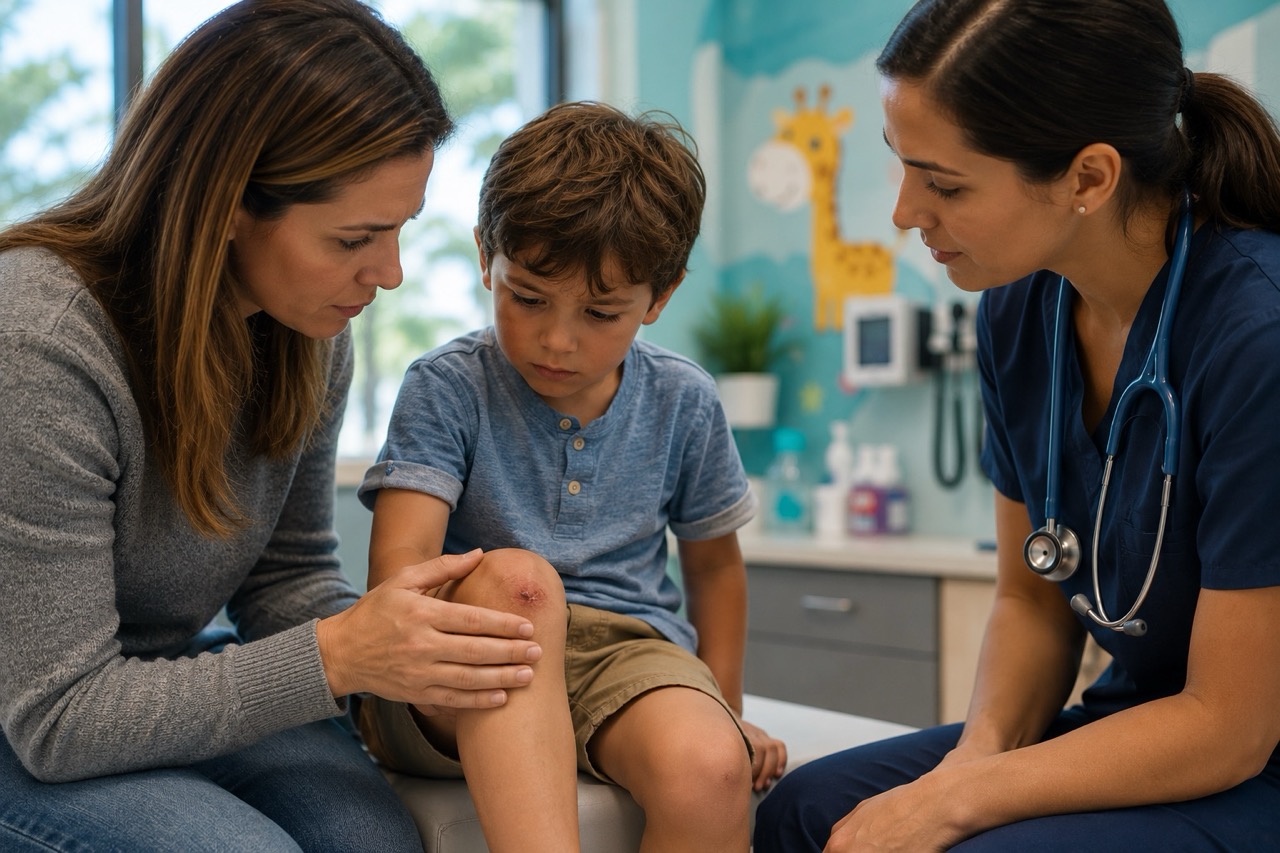
Every cut looks a little different, and that difference matters. A small scrape on the knee is very different from a deep gash on the hand. The depth of the wound tells you how much tissue is involved beneath the surface.
Location matters too, because cuts near joints, the face, or fingers heal differently. How quickly and heavily a wound bleeds also helps you gauge its seriousness. Children’s skin is thinner and more delicate than adult skin. That means cuts can go deeper faster and may need attention sooner.
Minor Cuts You Can Treat at Home
Some cuts are genuinely minor and do not require a medical visit. A small, shallow cut that only affects the top layer of skin is usually manageable at home. Bleeding that slows and stops within a few minutes is a good sign.
If you cannot see any deeper tissue and the wound edges sit close together naturally, home care is likely enough. Clean it gently, cover it, and monitor it over the next day or two. Watch for any signs of infection as it heals.
Cuts That May Need Medical Attention
Some cuts signal from the start that home care will not be enough. A deep or gaping wound where the skin edges pull apart needs evaluation. Continuous bleeding that does not slow despite steady pressure is a clear warning sign.
Cuts caused by sharp metal, glass, or dirty objects carry a higher risk of complications. Animal bites that break the skin also fall into this category. When in doubt, having a pediatric provider take a look is always the right call.
Key Signs Your Child Should Go to Urgent Care for a Cut
Some signs are clearer than others. If you are seeing any of these, it is time to go:
- Bleeding does not stop after 10 minutes of pressure even with a clean cloth held firmly over the wound
- The cut is deep, wide, or the edges are open and will not stay closed on their own
- You can see fat, muscle, or bone through the wound, which means it goes deeper than surface skin
- The cut is on the face, hands, or joints where proper closure is important for healing and function
- The injury was caused by an animal bite or dirty object which increases the risk of infection significantly
- Signs of infection are developing such as spreading redness, warmth, swelling, or any discharge from the wound
Urgent Care vs Emergency Room: Where Should You Go?
In a stressful moment, choosing between urgent care and the ER can feel overwhelming. The simplest way to think about it is this: urgent care handles serious but stable situations. The emergency room is for life-threatening emergencies that need immediate intervention. Knowing the difference helps you move faster and get your child the right level of care.
When Urgent Care Is the Right Choice
Child cut urgent care is appropriate in most laceration situations that parents encounter. If the bleeding is controlled and your child is alert and calm, urgent care is the right move. Moderate cuts that need stitches, staples, or medical glue are well within the scope of urgent care.
Your child will receive focused pediatric attention in a calmer, less overwhelming environment than the ER. Wait times are typically shorter, and the experience is gentler for young patients.
When to Go to the Emergency Room
Some situations do require the emergency room, and it is important to recognize them. Severe bleeding that absolutely will not stop despite strong, continuous pressure needs the ER.
If your child shows signs of shock such as pale skin, rapid breathing, or loss of consciousness, call 911. Very large wounds or injuries involving major structures like tendons or deep muscle also need emergency care. When in doubt about severity, it is always okay to call ahead and ask.
What Happens at Urgent Care for a Child’s Cut?
Many parents feel nervous about what the visit will look like. Understanding the process ahead of time helps both you and your child feel more prepared. Pediatric urgent care providers are trained to move efficiently while keeping children comfortable. The focus is always on your child’s wellbeing from the moment you walk in.
Common Treatments for Lacerations
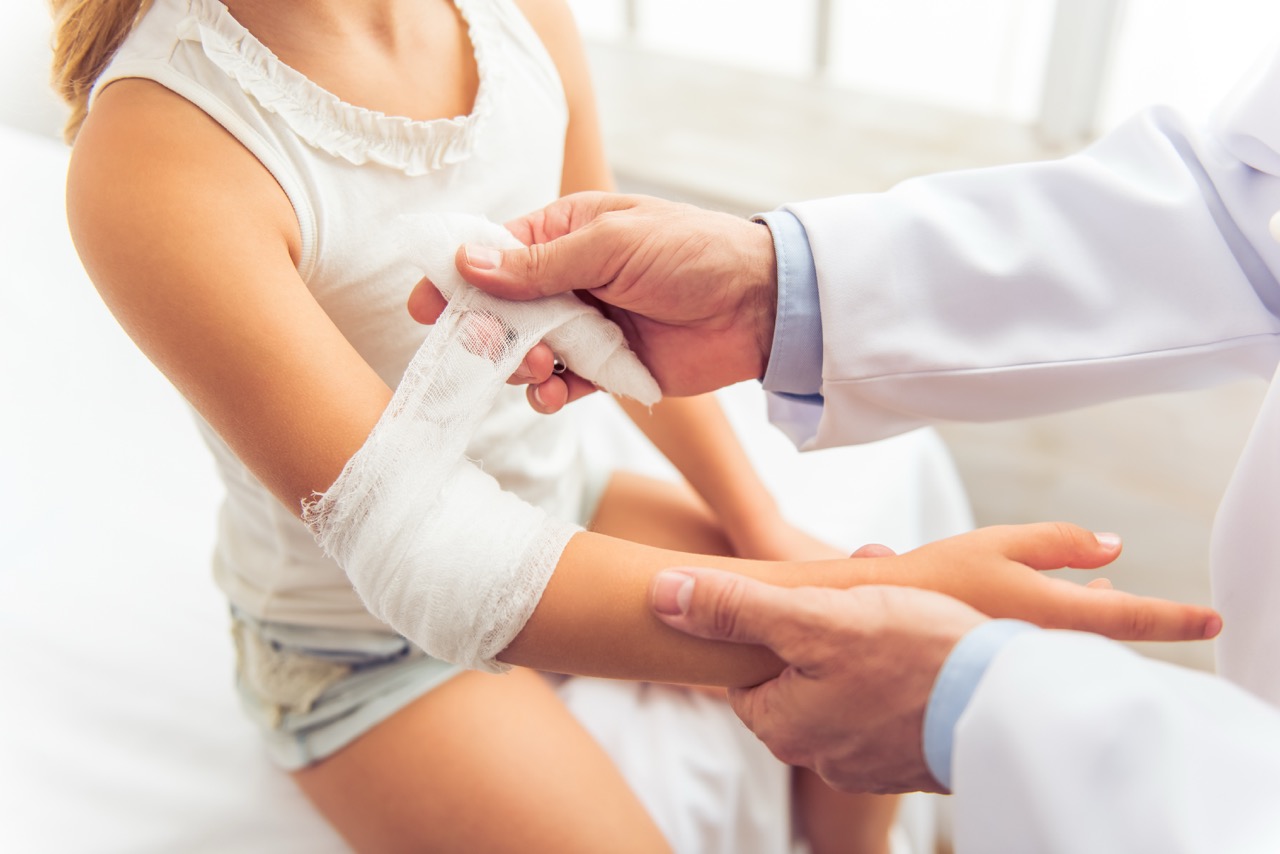
The provider will first examine the wound carefully to understand its depth and location. The cut is then cleaned and disinfected gently to reduce infection risk. Depending on the wound, closure may involve stitches, staples, or medical glue. Each method is chosen based on the size, location, and nature of the cut. Before you leave, you will receive clear aftercare instructions to support proper healing at home.
How Providers Keep Kids Calm and Comfortable
Pediatric providers understand that a scared child needs more than just medical skill. The approach is gentle, patient, and designed to reduce fear from the start. Explaining each step in simple terms helps children feel less anxious during treatment. Experienced providers work efficiently so the process is as quick and comfortable as possible. Parents are encouraged to stay close, which makes a significant difference for young patients.
How to Care for Your Child’s Cut Before You Arrive
While you are getting ready to head in, a few simple steps can help protect the wound:
- Apply gentle pressure to stop bleeding using a clean cloth or bandage held firmly over the cut
- Clean the wound with water if possible by rinsing gently to remove visible surface dirt
- Cover with a clean bandage to protect the wound from further contamination during travel
- Avoid using harsh chemicals like hydrogen peroxide or iodine directly inside the wound
- Keep your child calm by speaking in a steady, reassuring voice and staying composed yourself
How All Kidz Urgent Care Helps Treat Children’s Cuts
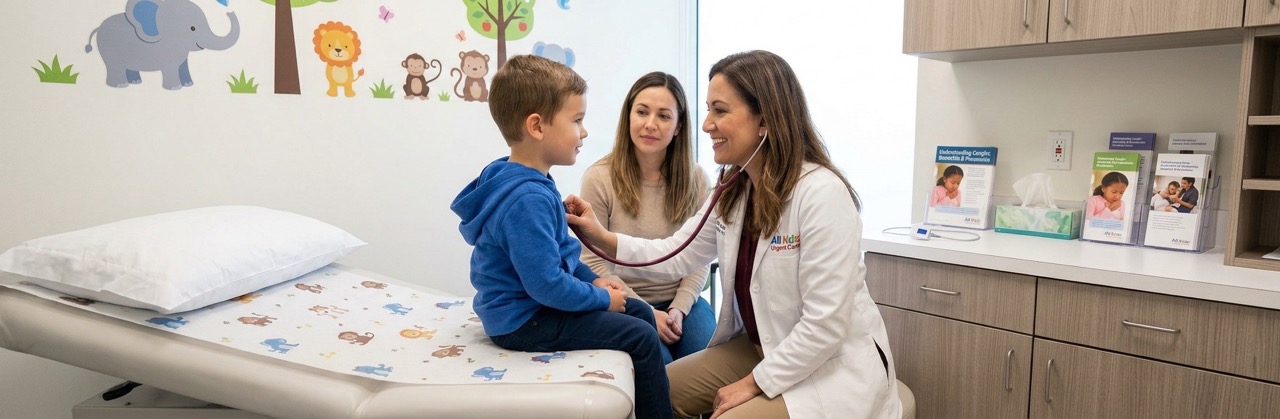
At All Kidz Urgent Care, children are our only focus every single day. Our clinic is built to feel welcoming and calm for young patients and their parents. Dr. Sara Dhillon leads a pediatric team with the skill and warmth your child deserves.
We know that a cut can happen at any time, which is why walk-ins are always welcome. Our mission has always been to keep families out of the emergency room when it is not necessary. Every child who visits us receives safe, gentle, and focused care. We treat your child’s injury with the same urgency and compassion we would want for our own. You deserve a place you can trust when it matters most. We are here for exactly those moments.
When Something Feels Wrong, You Are Probably Right
Your instincts as a parent are one of the most reliable tools you have. If a cut looks serious, do not wait to see if it gets better on its own. Early care prevents complications, reduces scarring risk, and puts your mind at ease.
You do not need to be certain before you walk through our door. That is exactly what we are here for.
If your child has a cut and you are unsure what to do, come see us.
Visit us at: 2927 Rolling Hills Road, Torrance, CA 90505
Call us: +1 310-292-0054
Email: contactus@allkidzurgentcare.com
Walk-ins welcome. No appointment needed.