Can Babies Get Measles Before Their First Vaccine?
Protecting a newborn from illness is one of the most natural instincts a parent has. Many parents wonder whether their baby is safe from measles before receiving that first vaccine. With measles cases rising across California and nationwide in 2026, this concern is more relevant than ever. Infants may be more vulnerable than most parents realize, especially before full vaccination coverage begins. This blog explains how measles spreads, what symptoms to watch for in babies, and how parents can take simple steps to reduce risk before that first MMR shot.
Are Babies Protected From Measles Before Their First Shot?
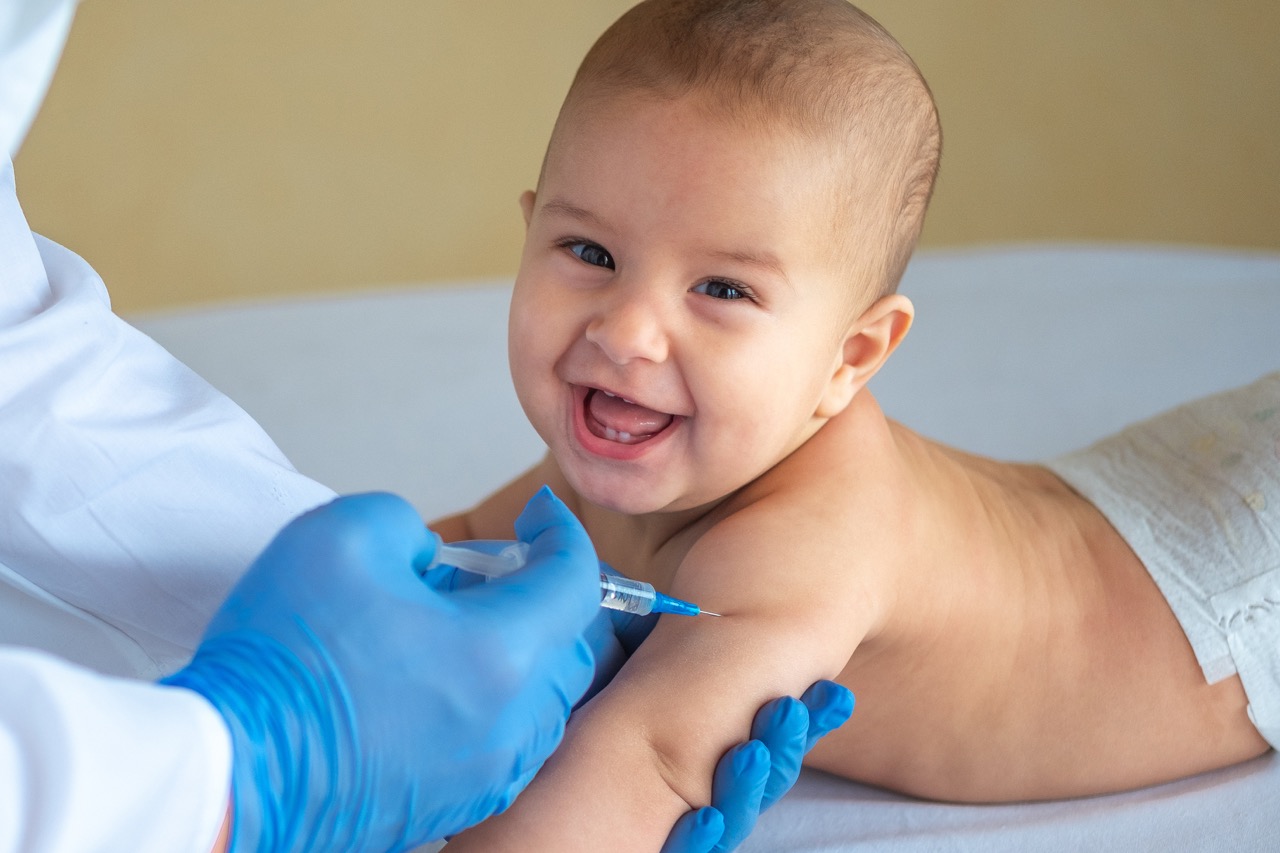
Most babies receive their first MMR vaccine around 12 months of age. Before that point, infants have no vaccine-based protection against measles. Some newborns do receive temporary protection through maternal antibodies passed during pregnancy. However, this natural protection is not guaranteed and fades within the first few months of life. As a result, babies younger than one year old can still be exposed to and affected by measles. Understanding this window of vulnerability helps parents make more informed decisions about their infant’s safety during active outbreaks.
Why Measles Can Be More Serious for Babies
Infants have developing immune systems, which can make measles more concerning at a younger age.
- Babies Have Less Immune Protection: A baby’s immune system is still growing and learning to respond to infections after birth. Younger infants often struggle more with illnesses that older vaccinated children handle more easily.
- Measles Spreads Very Easily: Measles travels through the air and can linger in a room long after an infected person has left. Exposure in crowded public spaces puts unvaccinated infants at significant risk without direct contact.
- Complications Can Develop Faster in Infants: Babies with measles can develop dehydration quickly due to fever and reduced feeding. Ear infections and breathing problems are among the most common complications seen in young infants.
- Outbreaks Increase Exposure Risk: Community spread through schools, daycare centers, and travel increases the chance of an unvaccinated infant encountering the virus. Outbreaks anywhere nearby raise the risk for the most vulnerable members of the household.
Early Measles Symptoms Parents Should Watch For
Measles symptoms in babies often begin looking like a typical cold or mild viral illness. The recognizable rash that most people associate with measles usually appears several days after the first symptoms begin. Knowing what to look for in those early days helps parents respond at the right time.
Common Early Symptoms
- Fever that may start mild but tends to climb higher as the illness progresses over several days
- Cough that develops alongside other symptoms and can become more persistent over time
- Runny nose that resembles the early signs of a common cold and is easy to overlook initially
- Red or watery eyes that may appear irritated or sensitive to light during the early stage of illness
When the Rash Usually Appears
- Rash often starts on the face typically around the hairline and spreads downward across the body
- Can spread across the body within a few days, becoming more widespread as the illness progresses
When Should Parents Seek Medical Care for a Baby?
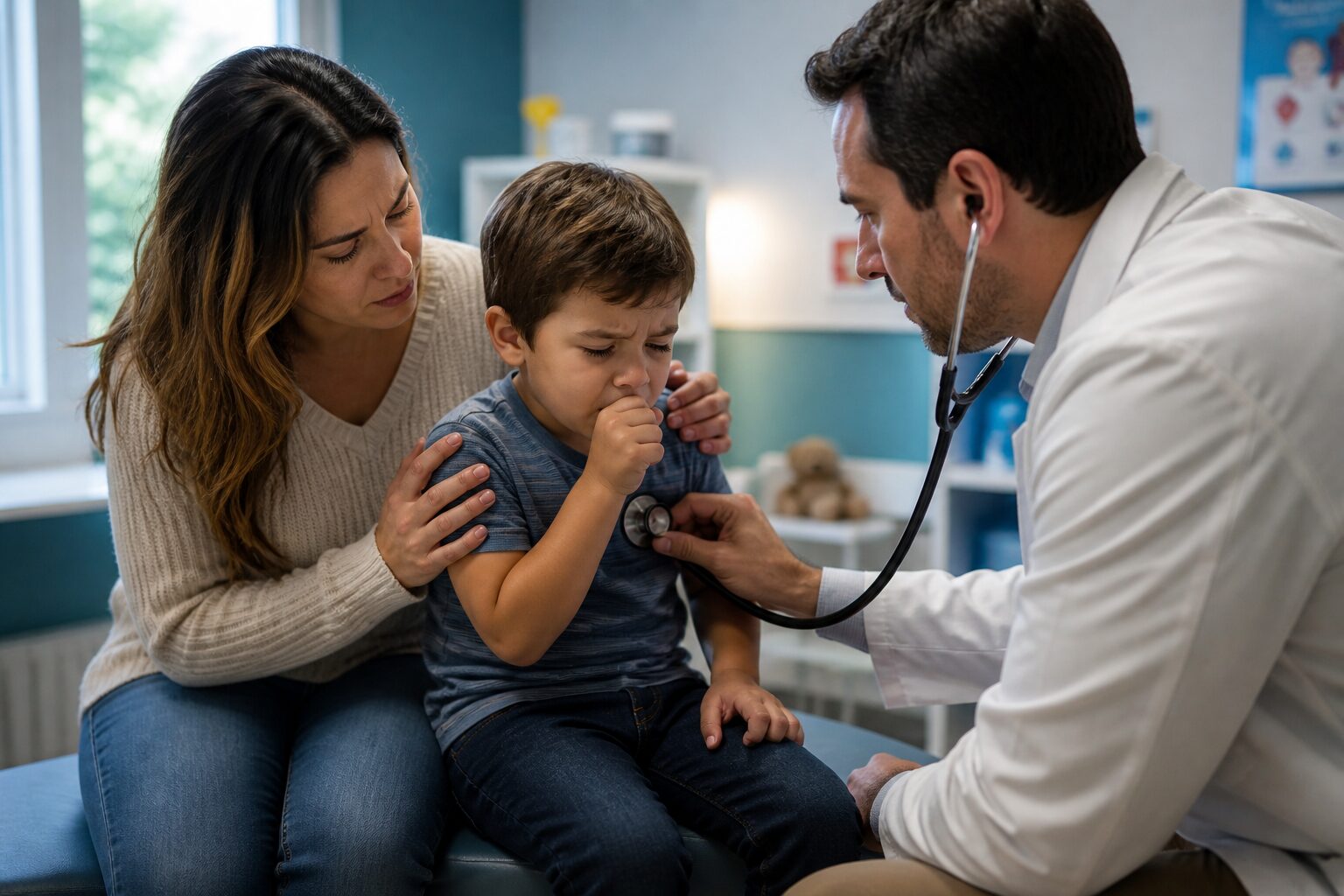
If your baby develops a fever alongside a cough, runny nose, or red eyes, it is important to seek pediatric evaluation promptly. Breathing difficulty, unusual fatigue, or a spreading rash are signs that should never be waited out at home. If you suspect measles exposure, call the clinic ahead of your visit so staff can prepare appropriately. Early medical guidance helps reduce the chance of complications developing in young infants. Reassurance from a pediatric provider also helps parents monitor their baby more confidently at home when immediate care is not required.
How Parents Can Help Protect Babies Before Their First Vaccine
While parents cannot eliminate every risk, a few simple precautions can help reduce exposure. These everyday habits can help keep infants safer during measles concerns and outbreak seasons.
- Keep vaccinations in the household up to date so that siblings and caregivers do not unknowingly carry or transmit measles to the baby
- Avoid close contact with sick individuals by limiting visits from anyone showing cold-like symptoms or known illness
- Limit exposure during active outbreaks when possible by staying informed about local measles activity in your community
- Practice good hand hygiene by washing hands thoroughly before handling or feeding your infant throughout the day
- Monitor travel advisories and public health alerts especially before taking your baby to regions with known measles activity
- Avoid crowded indoor spaces if measles cases are increasing locally to reduce the chance of airborne exposure in high-risk environments
What Happens If a Baby Is Exposed to Measles?
If you believe your baby has been exposed to measles, contact a healthcare provider as soon as possible. A provider will assess the situation based on your baby’s age, the nature of the exposure, and any existing protection from maternal antibodies. During the incubation period, which can last up to 12 days after exposure, monitoring your baby closely for any developing symptoms is essential. Guidance from a medical professional helps you understand what to watch for and when to act. Acting quickly after a known exposure gives your baby the best chance of appropriate care and support.
How All Kidz Urgent Care Supports Families During Illness Concerns
At All Kidz Urgent Care, infants and children are the only patients we focus on every single day. Our clinic is designed to feel calm and welcoming for the youngest and most vulnerable patients. When parents are concerned about fever, rash, or potential measles exposure, our pediatric team evaluates symptoms carefully and provides clear guidance. We offer convenient hours that include after-school visits and full weekend availability, making care accessible when your regular provider is unavailable. Dr. Sara Dhillon and our experienced team are here to support your family with compassion and expertise every step of the way.
Your Baby’s Health Cannot Wait. Neither Should You.
If your baby develops a fever, rash, or any other concerning symptom, do not wait and wonder. All Kidz Urgent Care is here to provide focused, compassionate care for your infant when it matters most. Our pediatric team evaluates symptoms carefully and gives you the answers you need. Walk in any day we are open and let us help you protect your little one.
Visit us at: 2927 Rolling Hills Road, Torrance, CA 90505
Call us: +1 310-292-0054
Email: contactus@allkidzurgentcare.com