Signs a Cut May Be Infected in Kids and When to Seek Care
Cuts and scrapes are simply part of childhood. Most heal on their own with basic home care and a little time. However, some wounds allow bacteria to enter the skin, leading to an infection that needs attention. Recognizing infected cut signs early helps parents act before a minor wound becomes a bigger concern. In this blog, you will learn how cuts become infected, what warning signs to watch for, and exactly when it is time to bring your child in for a pediatric evaluation.
How Do Cuts Become Infected in Children?
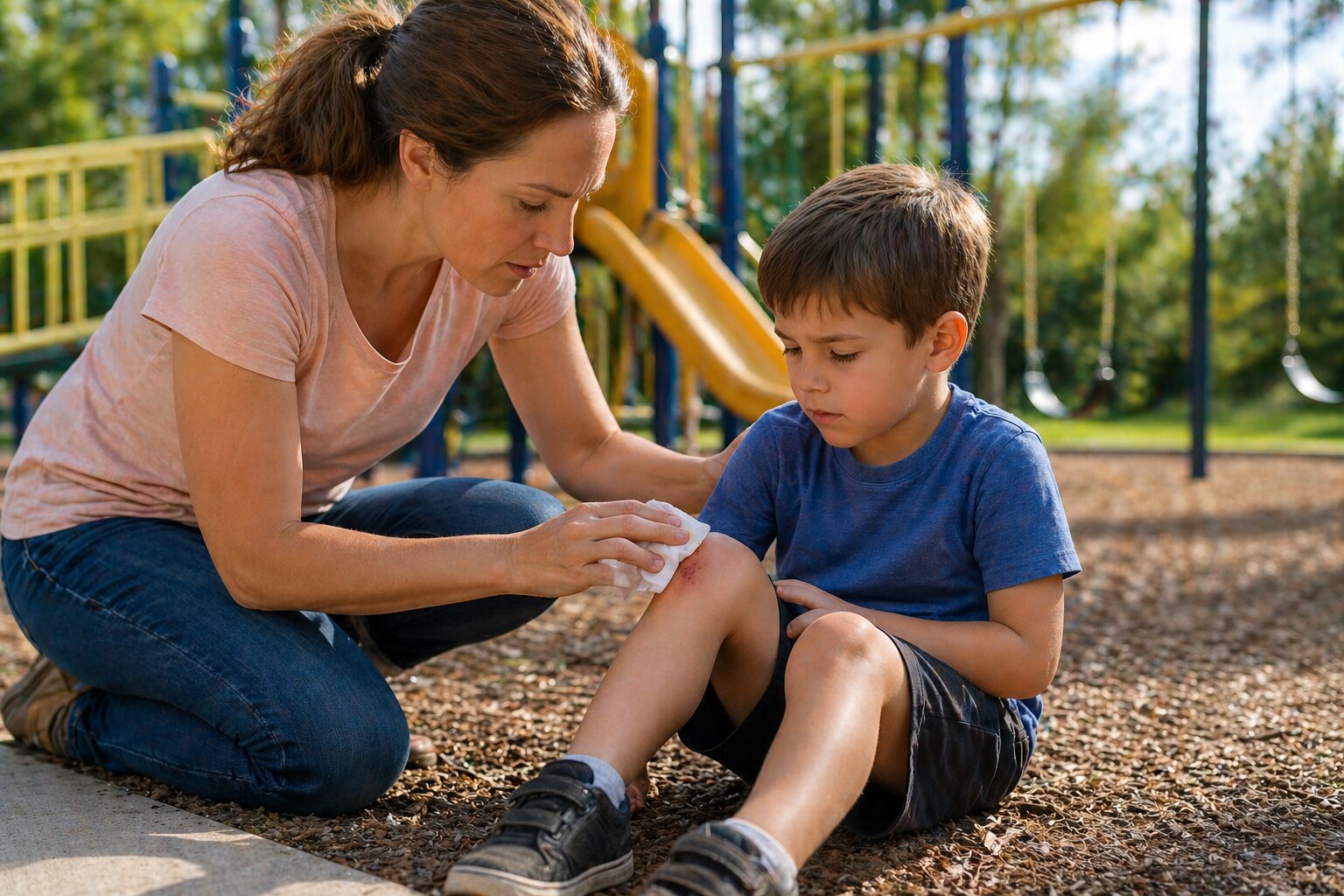
When a cut breaks the skin, it creates an opening where bacteria can enter the body. Children are especially vulnerable because they touch their wounds repeatedly during play and daily activity. Outdoor injuries involving dirt, gravel, or rough surfaces carry a higher bacterial load from the start.
Wounds that are not cleaned thoroughly right away give bacteria the conditions they need to grow. Animal scratches, bites, and cuts from rusty or dirty objects also raise infection risk significantly. Monitoring any wound carefully during the first few days after injury is one of the most important things a parent can do.
Early Signs a Cut May Be Infected in Kids
Most wounds show clear improvement within the first day or two after an injury. When a cut starts moving in the wrong direction, it is time to take a closer look. Some symptoms may appear mild at first, but they can quickly become more serious if ignored.
- Redness spreading around the cut beyond the immediate edges of the wound and expanding outward over time
- Swelling that continues to worsen instead of gradually decreasing as the wound begins its normal healing process
- Warm skin near the wound that feels noticeably hotter than the surrounding unaffected skin on your child’s body
- Increased pain or tenderness where the wound hurts more than it did in the first day or two after injury
- Pus or yellow drainage coming from inside the wound, which is a strong indicator of bacterial infection
- Bad odor coming from the cut that signals bacterial activity and tissue breakdown occurring beneath the surface
- Fever or unusual tiredness appearing alongside the wound, suggesting the infection may be affecting the body more broadly
What Does an Infected Cut Look Like?
Knowing what to look for visually helps parents identify infected cut signs before symptoms become severe. Not every wound looks the same as infection develops, but certain visual changes are reliable warning signals worth learning to recognize.
Red Streaks Around the Wound
Red streaks extending outward from the wound site along the skin are a serious warning sign. This streaking can indicate that the infection is beginning to spread beyond the wound itself and should never be left unmonitored.
Thick Drainage or Pus
A small amount of clear or slightly yellow fluid during early healing can be normal. However, thick, cloudy, or colored pus with an odor indicates a bacterial infection that needs professional evaluation and care.
Skin That Feels Hot or Hard
Skin around an infected wound often becomes inflamed, warm to the touch, and unusually firm. These are signs that the body is fighting an active infection and that the wound needs medical attention promptly.
When Should Parents Seek Medical Care for a Child’s Cut?
Some wounds send a clear message that home care alone is not going to be enough. Knowing these specific signs helps you act quickly and get your child the right care at the right time.
- Bleeding that does not stop after ten or more minutes of steady, continuous pressure on the wound
- Deep or gaping wounds where skin edges are pulling apart and cannot stay closed naturally on their own
- Signs of infection developing quickly including spreading redness, swelling, warmth, or pus within the first day or two
- Fever after a recent cut which suggests the infection may have begun affecting the body beyond the wound site
- Cuts caused by dirty or rusty objects which carry significantly higher bacteria levels and infection risk from the start
- Wounds near the eyes, face, or joints where proper evaluation and closure are critical for healing and avoiding complications
- Your child complains of worsening pain that increases instead of easing as the days following the injury pass
How Pediatric Urgent Care Can Help Treat Infected Cuts
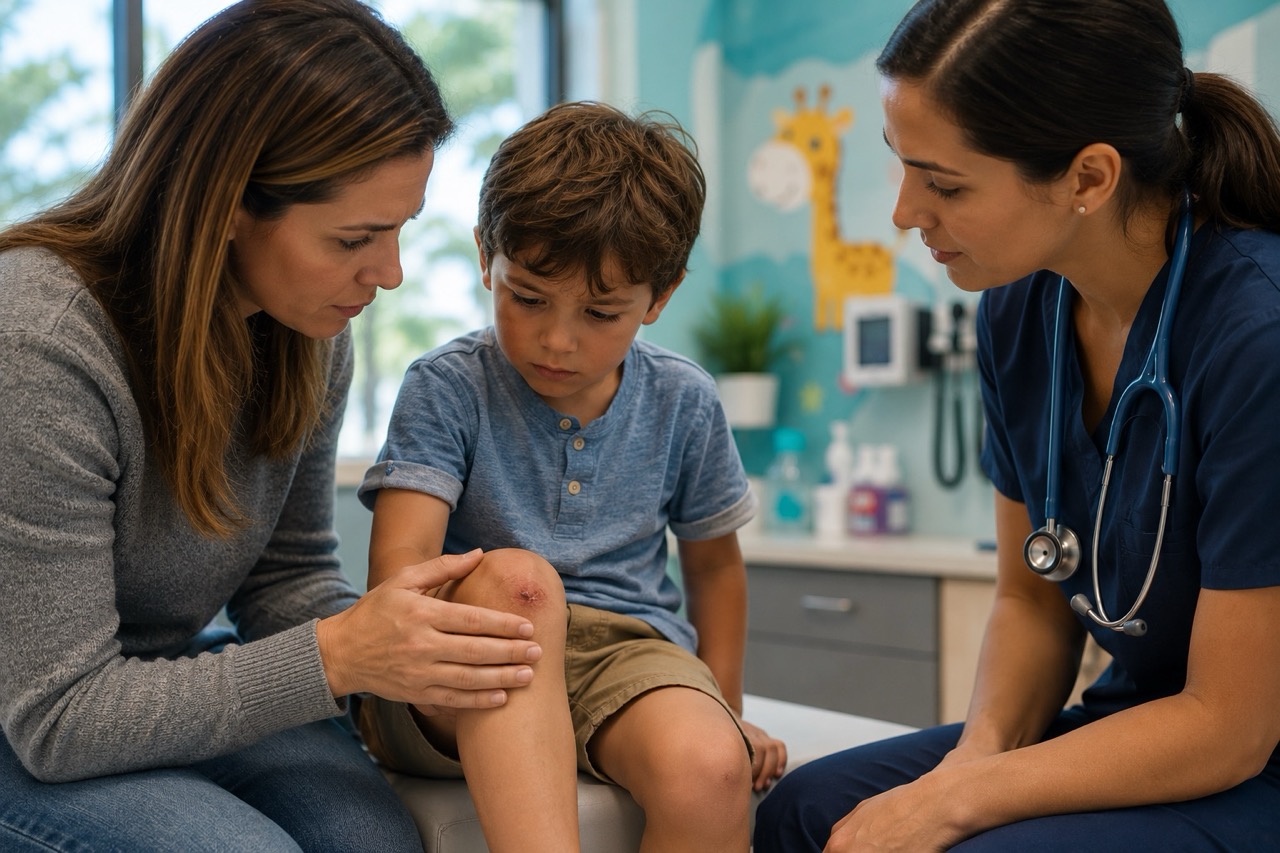
When a wound shows signs of infection, a pediatric urgent care provider can evaluate the injury thoroughly and determine the right next steps. The wound is examined carefully to assess depth, the extent of infection, and whether drainage or closure is needed. Some wounds require thorough professional cleaning that goes beyond what is safe or practical to manage at home. A provider will also check for any signs that the infection is spreading beyond the wound site.
Children often feel anxious and frightened during wound treatment, which is why a calm and supportive pediatric environment makes such a meaningful difference. Our team at All Kidz Urgent Care moves gently and efficiently, keeping your child as comfortable as possible throughout every step of the visit.
Tips to Help Prevent Cut Infections at Home
Good wound care habits at home give every cut the best possible chance to heal cleanly and quickly. Starting these steps immediately after any injury reduces the risk of bacteria taking hold in the wound.
- Wash hands before touching the wound to avoid transferring bacteria from your hands directly into the open cut
- Clean cuts gently with water by rinsing thoroughly to remove visible dirt and surface debris from the injury
- Keep wounds covered when needed using a clean bandage that protects the cut from dirt and further contamination
- Change bandages regularly or whenever the dressing becomes wet, loose, or visibly soiled during the healing period
- Prevent children from scratching or picking at scabs as this introduces new bacteria and disrupts the natural healing process
- Watch for changes during healing and note any new symptoms that appear in the days following the initial injury
Common Questions Parents Ask About Infected Cuts in Kids
Parents dealing with a child’s wound often have the same pressing questions running through their minds. Here are honest, straightforward answers to the ones we hear most often at All Kidz Urgent Care.
- Can a Small Cut Become Infected? Yes, even minor cuts can develop infections if bacteria enter the wound and conditions allow them to grow. Size alone does not determine infection risk.
- How Fast Can an Infection Develop? Infected cut signs can appear within 24 hours of an injury in some cases, while others take several days before symptoms become visible.
- Should I Use Antibiotic Ointment on Every Cut? A thin layer of antibiotic ointment can help protect minor wounds during early healing. However, not every cut requires it, and proper cleaning with water is always the most important first step.
Compassionate Pediatric Care for Cuts and Wounds in Torrance
Your child’s wound deserves more than guesswork and waiting. At All Kidz Urgent Care, we evaluate cuts, scrapes, and possible infections in a calm and child-friendly environment built entirely around young patients. Our experienced pediatric team examines every wound carefully and gives you the clear guidance you need to move forward with confidence.
Visit us at: 2927 Rolling Hills Road, Torrance, CA 90505
Call us: +1 310-292-0054
Email: contactus@allkidzurgentcare.com