New Flu Strain in California: Symptoms in Children and When Care Is Needed
Growing parent concern across California is justified as more children test positive for a new flu strain this season. According to recent reports, the H3N2 subclade K variant is driving increased flu activity statewide. Additionally, this season’s surge is primarily driven by children, with the highest incidence among children ages 0 to 4.
Awareness helps parents respond calmly and responsibly when flu symptoms appear in their children. Understanding what to watch for and when to seek care creates confidence during challenging times. This blog provides educational information focused on recognizing flu symptoms in kids and making appropriate care decisions for your family.
What Is the New Flu Strain Affecting Children in California?
Flu strains change over time through natural genetic mutations creating new variants with different characteristics. The current dominant strain, H3N2 subclade K, represents a mutation within the H3N2 family rather than completely new influenza. Additionally, subclade K emerged too late for scientists to include in this season’s flu vaccine formulation.
New flu strains can spread more easily among children because young immune systems have had less exposure to various flu variants. This season, 89.8% of genetically characterized H3N2 viruses belong to subclade K according to CDC surveillance data. Furthermore, children lack the immunological memory that adults build through decades of previous flu infections and vaccinations.
Why Are Flu Cases Rising Among Children This Season?
School exposure and close contact create ideal transmission conditions for respiratory viruses spreading rapidly through classroom environments. Children sit together, share supplies, and play in close proximity throughout school days. Additionally, seasonal factors including cooler temperatures drive families indoors where flu viruses circulate more easily in enclosed spaces.
Indoor activity during winter months concentrates groups in poorly ventilated areas facilitating viral spread. Furthermore, children’s developing immune systems provide less protection against new flu strain variations like subclade K. Young children touch their faces frequently and practice less consistent hand hygiene than adults, spreading germs more efficiently throughout communities.
Common Flu Symptoms in Children
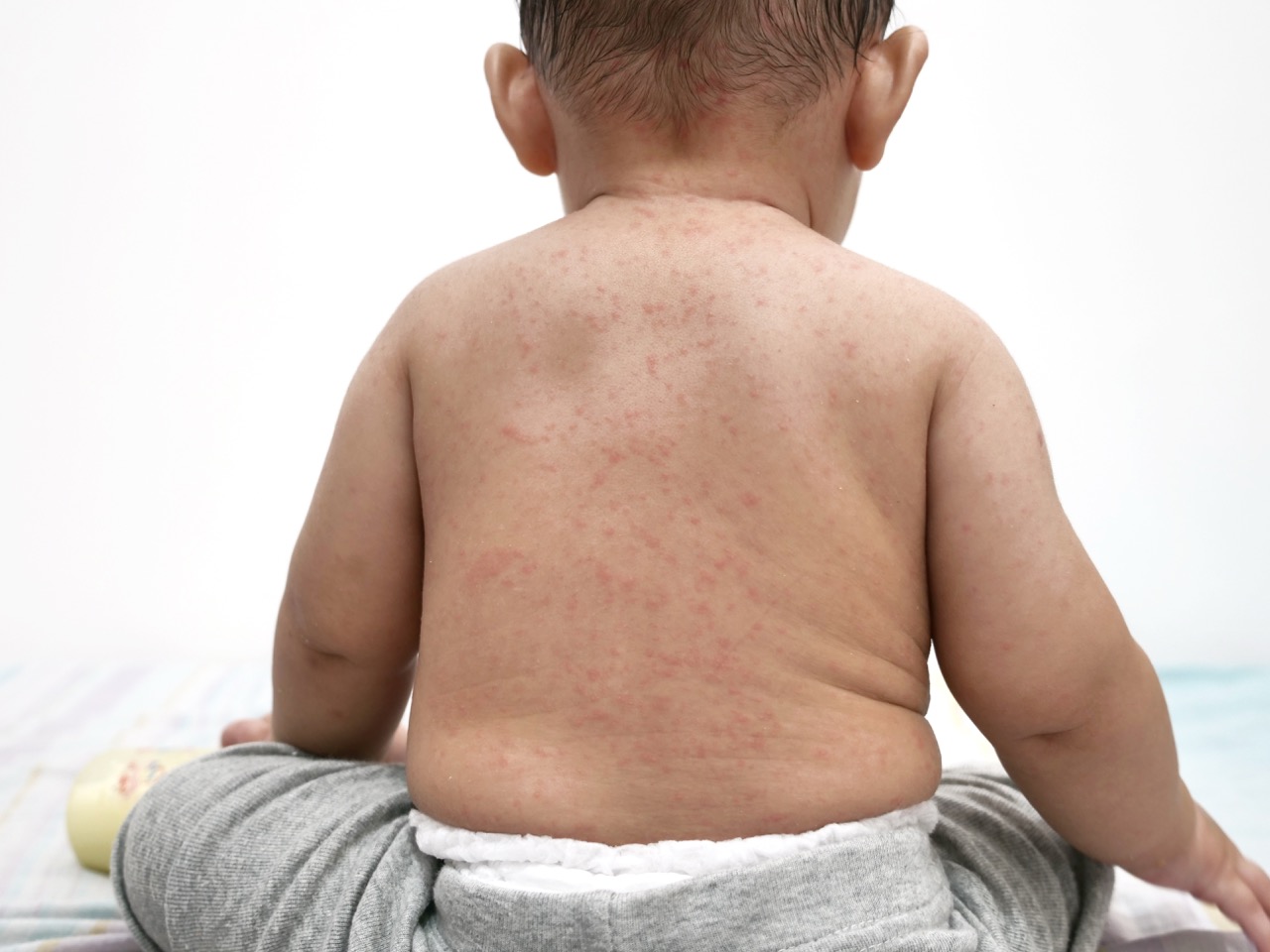
Recognizing common flu symptoms helps parents decide when a child may need medical evaluation rather than home care. Flu typically begins suddenly with high fever and severe symptoms appearing within hours.
Watch for these common signs:
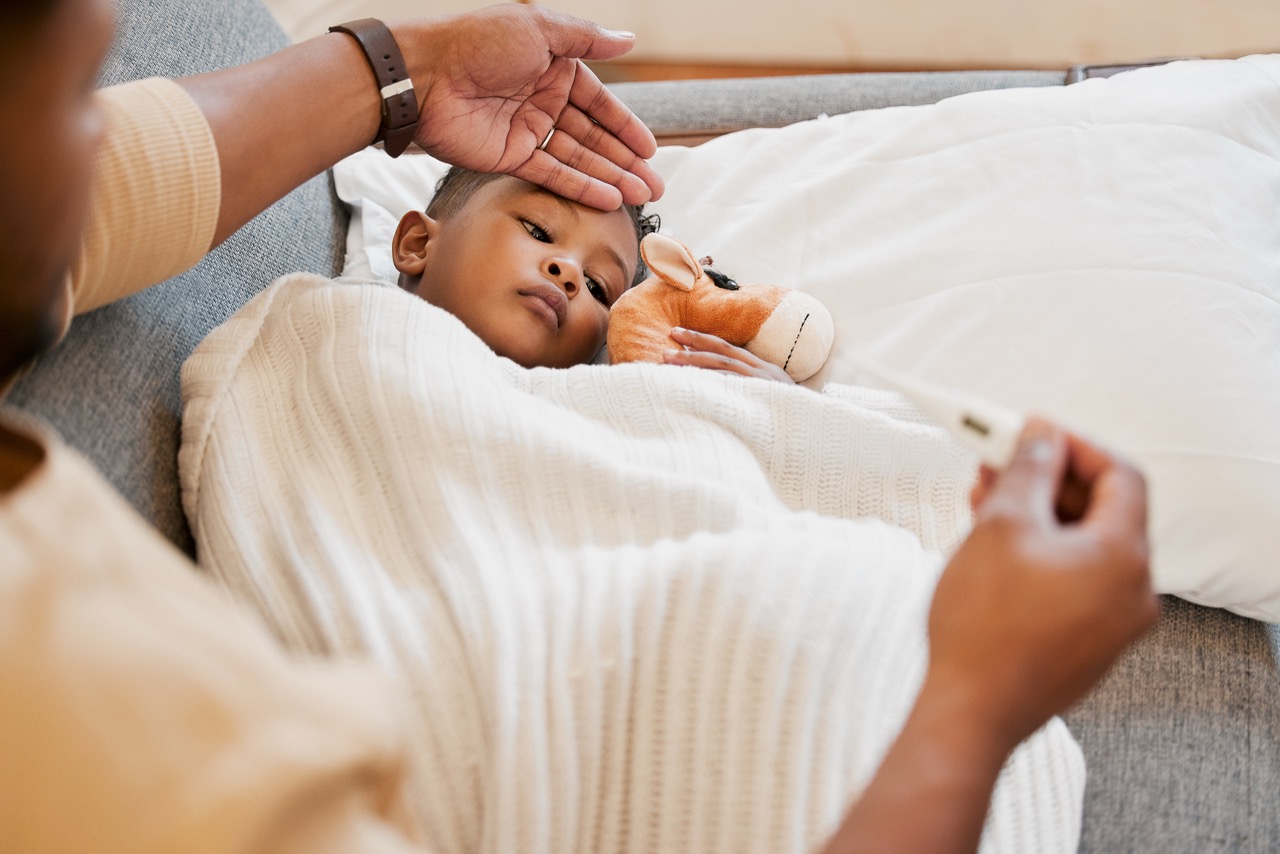
- Fever and chills – Temperature rising quickly often exceeding 101 degrees Fahrenheit
- Cough and sore throat – Dry, persistent cough accompanied by throat discomfort
- Runny or stuffy nose – Nasal congestion common though less prominent than with colds
- Fatigue and body aches – Extreme tiredness with muscle soreness throughout body
- Headache – Often intense, affecting concentration and mood
- Reduced appetite – Decreased interest in food during acute illness phase
How Flu Symptoms May Look Different in Young Children
Toddlers and preschoolers may not verbalize symptoms clearly like school-aged children who can describe specific discomfort locations. Young children might become unusually fussy, clingy, or withdrawn without explaining what feels wrong. Additionally, difficulty describing symptoms means parents must watch behavioral changes indicating illness severity.
Behavioral changes parents may notice include refusing favorite foods, avoiding play activities, sleeping more than usual, or showing increased irritability. Toddlers might simply seem “off” without obvious fever or cough initially. Furthermore, young children may experience gastrointestinal symptoms including vomiting and diarrhea more frequently than older children with flu.
Flu vs Cold in Kids: How Parents Can Tell the Difference
General symptom patterns help distinguish between flu and common colds requiring different management approaches. Flu symptoms often appear suddenly with high fever and severe fatigue developing within hours of infection. Additionally, influenza typically causes more intense body aches and headaches than typical cold viruses produce.
Colds develop gradually over several days with milder symptoms emerging slowly. Cold viruses rarely cause high fevers or extreme fatigue characteristic of influenza infections. Furthermore, professional evaluation when unsure about symptom severity ensures children receive appropriate assessment determining whether antiviral medications or supportive care suits their specific situation best.
When Parents Should Seek Pediatric Urgent Care
Certain warning signs indicate children need professional medical evaluation beyond home comfort measures during rising flu cases this season. Recognizing these red flags helps families seek timely intervention preventing complications from delayed treatment.
Watch for these concerning symptoms:
- Fever that does not improve after 72 hours despite fever-reducing medications
- Breathing discomfort including rapid breathing, wheezing, or shortness of breath
- Persistent vomiting or dehydration with decreased urination or dry mouth
- Child appears unusually tired or uncomfortable beyond typical flu fatigue levels
- Symptoms that worsen instead of improve after initial illness onset
- Blue lips or skin indicating insufficient oxygen requiring immediate attention
How All Kidz Urgent Care Supports Children With Flu Symptoms
All Kidz Urgent Care provides pediatric-only urgent care focus understanding unique needs of children experiencing flu-like symptoms. Our calm, child-friendly environment reduces anxiety during medical evaluations when young patients already feel miserable from illness. Additionally, experienced pediatric providers offer thorough evaluation and clear guidance helping families understand their child’s condition.
Our mission includes reducing unnecessary ER visits by providing comprehensive urgent care for conditions requiring prompt but not emergency-level assessment. We support families through professional evaluation when symptoms raise concern about flu or other respiratory illnesses needing medical attention.
What Parents Can Do While Monitoring Flu Symptoms at Home
Supporting children’s comfort and rest helps immune systems fight flu infections naturally during recovery periods. Monitoring symptoms closely includes tracking fever patterns, observing energy levels, and noting whether conditions improve or worsen over time. Additionally, keeping sick children home from school and activities prevents spreading flu to classmates and community members.
Maintain comfortable room temperatures, offer extra fluids, and provide quiet activities during recovery without forcing children to eat when appetite decreases temporarily. Professional guidance from healthcare providers ensures parents understand what home monitoring proves most helpful during flu illness.
Preventing the Spread of Flu at Home and School
Hand hygiene remains the single most effective method for preventing flu transmission among children and families. Teaching children proper handwashing technique with soap and water for at least 20 seconds removes viruses before they cause infection. Additionally, covering coughs and sneezes with elbows rather than hands reduces respiratory droplet spread.
Cleaning shared surfaces regularly including doorknobs, light switches, and toys removes viruses from household environments. Furthermore, keeping sick children home until fever-free for 24 hours without medication protects classmates from exposure. These simple prevention strategies significantly reduce flu spread even as cases rise across California this season.
Protect Your Family With Knowledge and Timely Care
Parents across California can navigate this challenging flu season successfully through awareness and prompt action when concerning symptoms appear. Understanding the new flu strain California children face helps families recognize when professional evaluation becomes necessary. Additionally, awareness over panic serves families best during rising flu cases requiring medical attention.
Timely pediatric evaluation provides answers and appropriate care recommendations when symptoms raise concern about flu severity or complications.
Concerned about flu symptoms in your child? Visit All Kidz Urgent Care in Torrance for compassionate pediatric evaluation when your child needs care.
📍 Visit us at: 2927 Rolling Hills Road, Torrance, CA 90505
📞 Call us: +1 310-292-0054
📧 Email: contactus@allkidzurgentcare.com