
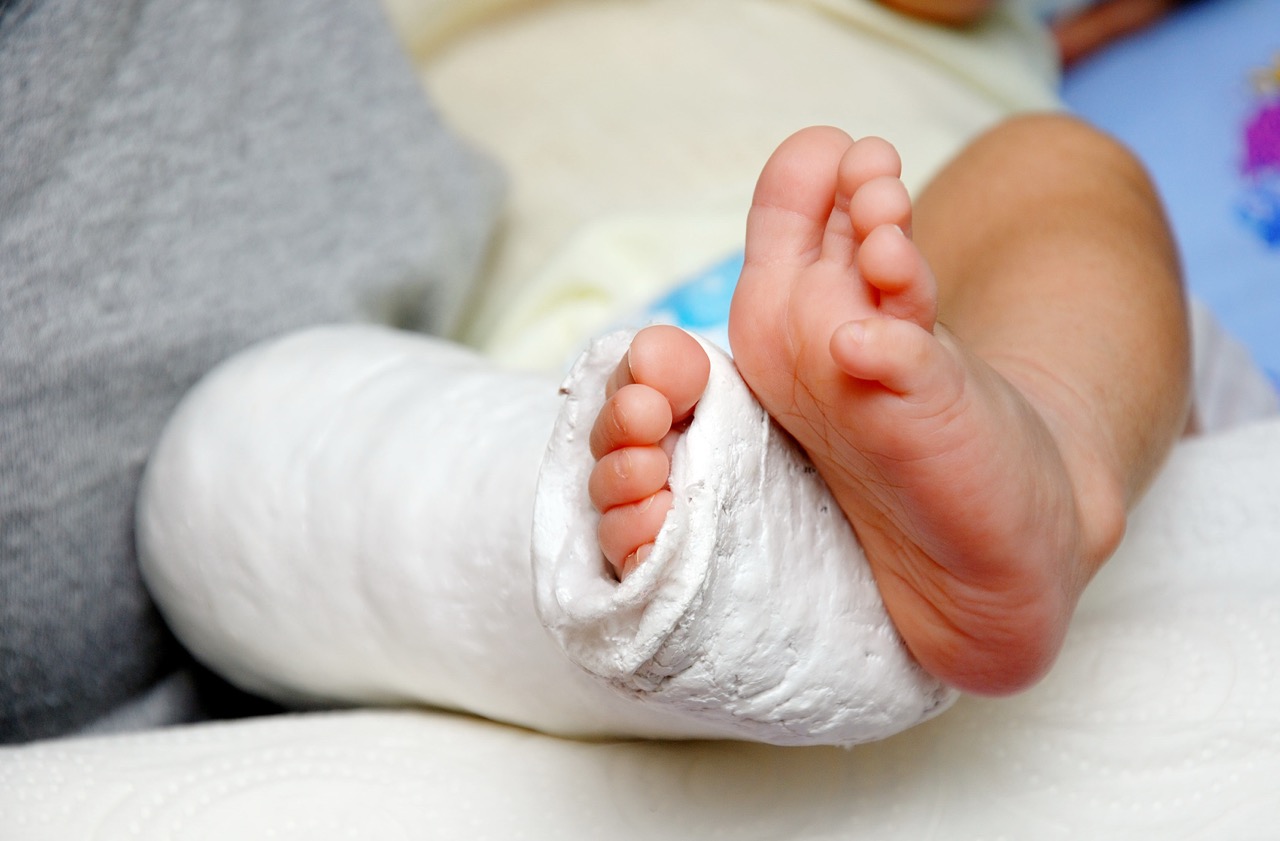
Why Pediatric Fractures Require a Different Clinical Approach
Children’s bones differ significantly from adult skeletal structures. Growth plates, higher cartilage content, and flexible bone composition create unique fracture patterns not commonly seen in adults. A general urgent care model does not always account for these developmental factors. A pediatric fracture specialist serving Palos Verdes Estates evaluates:
- Growth plate involvement
- Angulation and alignment relative to developmental stage
- Potential impact on future bone growth
- Activity level and return-to-play timing
Growth plate injuries, known medically as physeal fractures, require careful assessment because improper healing can influence long-term development. Early, accurate diagnosis plays a critical role in preventing complications. The American Academy of Orthopaedic Surgeons emphasizes proper pediatric fracture care, alignment and monitoring as essential components of safe recovery. Our providers follow pediatric orthopedic principles when evaluating bone injuries.
Evaluating Childhood Fractures Through a Growth-Focused Lens
Children’s bones differ structurally from adult bones, making fracture evaluation more complex than simple X-ray confirmation. Growth plates remain open during development and can be vulnerable to injury, particularly after sports collisions or playground falls. Families seeking a Palos Verdes Estates pediatric fracture doctor benefit from clinicians who recognize injury patterns unique to childhood, including greenstick fractures, buckle fractures, and physeal injuries.
Across the Peninsula, common injury scenarios include wrist fractures from outstretched falls, ankle trauma from uneven coastal terrain, and collarbone injuries following bicycle or scooter accidents. Each case requires individualized assessment of displacement, angulation, and functional impact. Clinical guidance from the National Institutes of Health highlights the importance of early immobilization and proper alignment to reduce risks of long-term growth disturbance.
At All Kidz Urgent Care®, providers combine imaging interpretation with hands-on pediatric examination to determine safe stabilization plans. Families receive clear recovery guidance and structured monitoring recommendations designed to support confident, developmentally appropriate healing.
Common Pediatric Fractures Seen in Peninsula Families
Children across the Palos Verdes Peninsula lead active lifestyles shaped by sports, playground activities, and outdoor recreation. As a result, certain fracture patterns appear more frequently depending on age, bone development, and mechanism of injury. Understanding these common pediatric fracture types helps guide accurate diagnosis, appropriate stabilization, and safe recovery planning tailored specifically to growing children rather than adult injury models.
- Distal Radius (Wrist) Fractures: Falls onto an outstretched hand frequently result in wrist fractures. Children playing sports near Palos Verdes High School or riding bikes along residential Peninsula streets often present with wrist swelling and tenderness. Proper alignment assessment ensures healing without deformity.
- Clavicle (Collarbone) Fractures: Collarbone injuries occur during sports collisions or falls from playground equipment. Pediatric management typically focuses on stabilization and comfort while monitoring healing progression.
- Ankle and Foot Fractures: Running on uneven coastal terrain or participating in club athletics can lead to ankle injuries. Distinguishing between a severe sprain and a fracture requires focused pediatric evaluation.
- Forearm Fractures: Greenstick fractures, common in children, involve partial bone breaks due to bone flexibility. These require careful stabilization to prevent worsening alignment.
Families looking for a Palos Verdes Estates Pediatric Fracture Doctor benefit from a clinic that understands these pediatric-specific fracture types rather than applying adult treatment assumptions.
Situations That Require Immediate Emergency Evaluation
Most childhood fractures can be safely evaluated in a pediatric urgent care setting, but certain warning signs require direct emergency department assessment. Parents across the Palos Verdes Peninsula should seek immediate hospital care if a child shows visible limb deformity suggesting significant displacement, an open fracture where bone breaks through the skin, or uncontrolled bleeding.
Symptoms such as numbness, tingling, pale or bluish skin, or inability to feel or move fingers or toes may indicate compromised circulation or nerve involvement. High-impact trauma, including vehicle collisions or major falls from height, also warrants emergency-level care.
Families frequently ask whether urgent care is appropriate after an injury. In many cases, stable fractures without severe angulation, circulation changes, or open wounds can be evaluated by a pediatric-focused provider. Careful screening helps determine the safest setting for treatment. When high-risk symptoms appear, rapid emergency intervention protects circulation, nerve function, and long-term bone health.
Structured Evaluation Process for Bone Injuries at Urgent Care Clinic
Evaluating a possible fracture in a child requires a structured and cautious approach. Pediatric bone injuries differ from adult patterns due to growth plates and developing skeletal structures. Clinical assessment combines careful physical examination with appropriate imaging when necessary. This coordinated process helps confirm diagnosis, guide treatment decisions, and protect long-term bone development while minimizing unnecessary testing or delayed intervention.
Step 1: Injury History Assessment
A precise injury history lays the foundation for accurate pediatric fracture evaluation. Mechanism, force, and immediate symptoms help determine whether bone involvement is likely and guide safe next steps before physical examination begins.
- Activity at time of injury
- Height or impact intensity
- Immediate pain and swelling
- Ability to bear weight
- Symptom progression timeline
Structured history improves diagnostic accuracy and reduces unnecessary testing.
Step 2: Focused Physical Examination
During the physical examination, providers carefully assess the injured area to identify signs consistent with fracture while protecting developing bone structures. Evaluation includes pinpoint palpation to locate tenderness, controlled range-of-motion testing within safe limits, and detailed inspection for swelling or visible deformity. Neurovascular assessment remains essential, with circulation and nerve function checks performed to ensure no compromise accompanies the suspected injury.
Step 3: Imaging Referral or Coordination
When examination findings strongly suggest a fracture, diagnostic imaging is arranged to confirm bone alignment and injury pattern. Providers interpret results using pediatric growth standards, paying close attention to growth plates and bone flexibility unique to children. Imaging findings guide treatment decisions, determine whether immobilization is sufficient, and help identify cases requiring orthopedic referral for further evaluation or monitoring.
Step 4: Stabilization and Immediate Care
After diagnosis, treatment focuses on protecting the injured bone and supporting proper healing. Care plans reflect fracture severity, age, and functional needs.
- Splint or brace placement
- Immobilization instructions
- Weight-based pain management
- Activity restriction guidance
Families receive written recovery instructions outlining warning signs, follow-up timing, and safe return-to-activity recommendations to minimize reinjury risk.

Monitoring Healing and Follow-Up Care in Palos Verdes Estates
Children’s bones typically heal more quickly than adult bones, but growth plate involvement requires careful observation during recovery. Follow-up evaluation after fracture stabilization helps confirm that alignment remains appropriate and swelling continues to decrease. Providers also reassess pain levels and functional movement to ensure progress follows expected pediatric healing patterns.
Families receive detailed instructions from a Palos Verdes Estates Pediatric Fracture Doctor outlining activity restrictions, safe return-to-play timelines, and warning signs that require immediate reevaluation.
Symptoms such as increased pain, numbness, discoloration, or reduced circulation require prompt attention. Structured monitoring protects long-term bone development and reduces the risk of improper healing. By maintaining organized follow-up planning, All Kidz Urgent Care® supports South Bay families throughout each stage of pediatric fracture recovery.
Insurance Transparency and Financial Clarity at All Kidz Urgent Care
Injury situations can feel overwhelming, especially when families worry about both medical decisions and financial responsibility. Before treatment begins, staff members at All Kidz Urgent Care® review accepted insurance plans and explain expected copays or self-pay options in straightforward language.
Major carriers accepted include Blue Shield, Anthem Blue Cross, United Healthcare, Aetna, Cigna, TRICARE, First Health Network, and Health Net. Parents seeking a Palos Verdes Estates Pediatric Fracture Doctor often appreciate having cost details clarified early rather than after services are completed.
Transparent billing conversations allow families to focus on their child’s comfort and stabilization instead of unexpected charges. Our team remains available to verify coverage questions and outline payment processes clearly. This financial clarity supports informed decision-making and reduces additional stress during an already concerning pediatric injury situation.
Why Peninsula Families Choose All Kidz Urgent Care®
Families living in Lunada Bay, Valmonte, Malaga Cove, and surrounding Peninsula neighborhoods often look for pediatric fracture care that combines clinical structure with practical accessibility. A short drive along Palos Verdes Drive North or Hawthorne Boulevard brings parents to our Torrance clinic at 2927 Rolling Hills Road, where child-focused urgent care remains the priority.
Parents frequently value walk-in availability when an injury interrupts school, sports, or weekend activities and waiting for a scheduled appointment is not realistic. At All Kidz Urgent Care®, a Palos Verdes Estates Pediatric Fracture Doctor evaluates injuries using pediatric orthopedic principles rather than adult treatment models.
Clear explanations help families understand imaging findings, immobilization plans, and recovery timelines. Communication remains direct and organized so parents leave knowing exactly what to expect during healing. This structured approach supports safety, transparency, and coordinated follow-up for South Bay households seeking urgent care for dependable pediatric fracture evaluation.
FAQs about Palos Verdes Estates Pediatric Fracture Doctor
- What if my child can move the limb but still complains of pain?
Movement does not exclude a fracture. Children may retain limited motion despite a small break. Ongoing bone tenderness, worsening swelling, or guarding behavior should prompt timely clinical evaluation. - Does swelling alone mean a bone is broken?
Swelling can occur with both sprains and fractures. However, rapid swelling paired with localized bone tenderness, bruising, or reduced function increases suspicion and warrants professional assessment. - Are growth plate injuries always obvious on first visit?
Growth plate injuries may appear subtle initially and sometimes look normal on early imaging. Persistent pain or limited function often requires follow-up evaluation to confirm proper healing. - How soon can my child return to sports?
Return to sports depends on fracture stability, healing progress, and absence of pain. Clearance typically requires reassessment to ensure safe bone recovery and protection of growth areas. - Can improper healing affect long-term growth?
Injuries involving growth plates can affect development if alignment is not monitored. Early pediatric evaluation and appropriate follow-up significantly reduce the risk of long-term complications. - Is splint discomfort normal?
Mild pressure or tightness may occur initially. Increasing pain, numbness, swelling beyond the splint, or skin color changes require immediate medical reassessment.