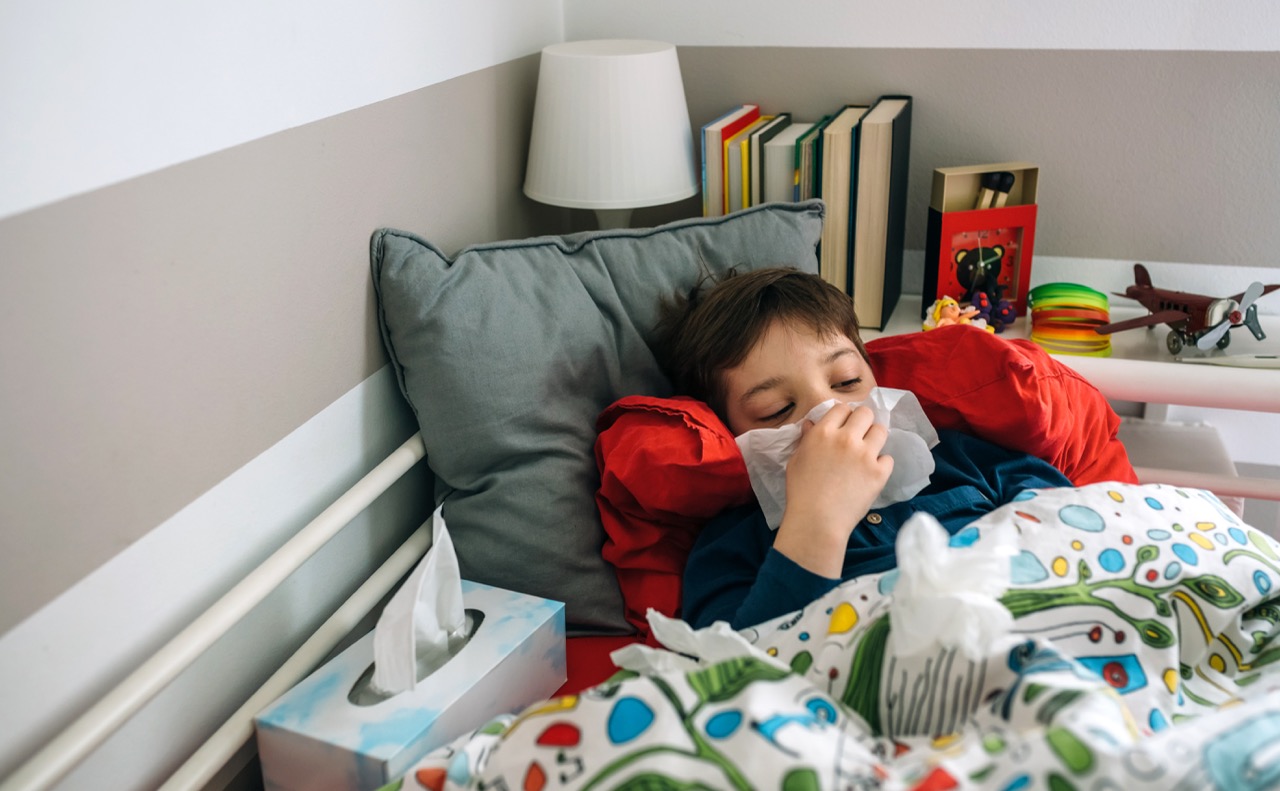
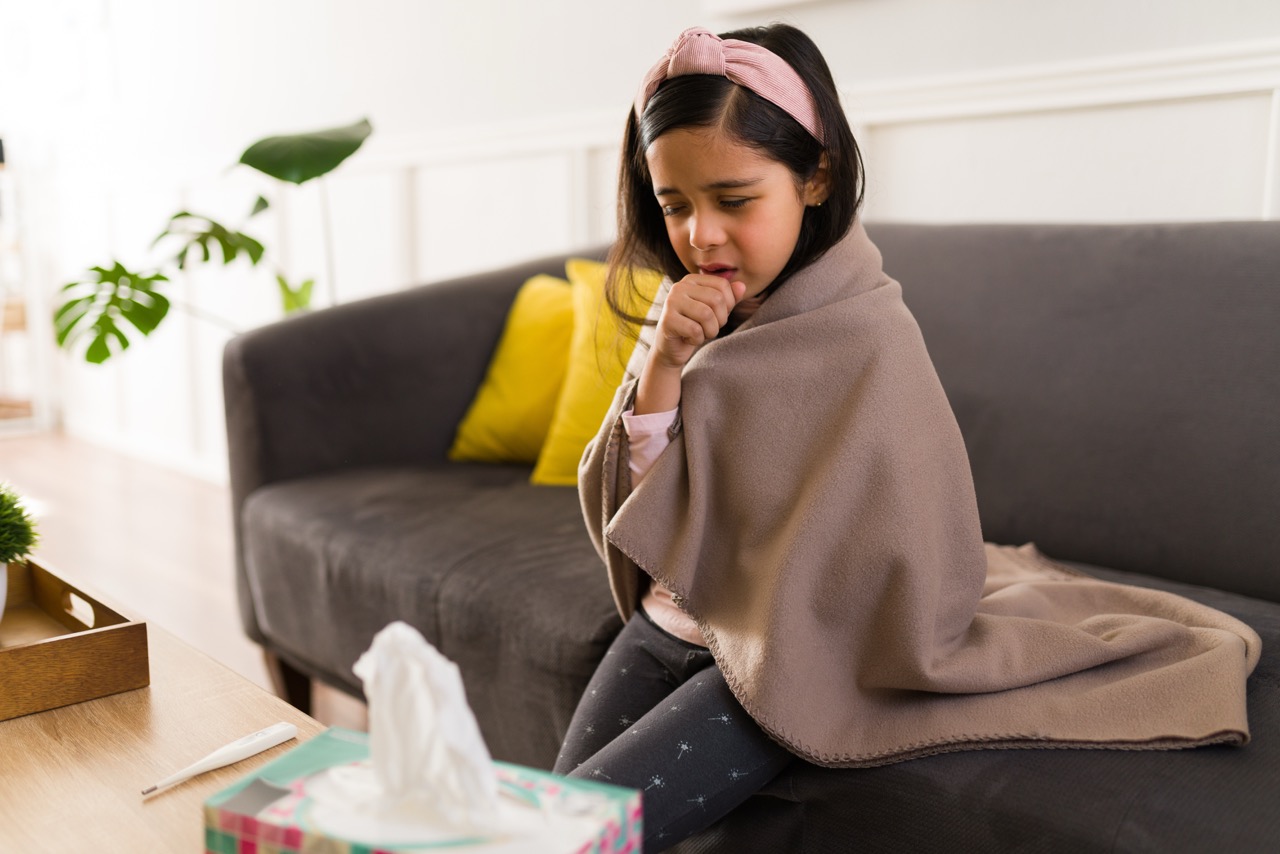
Why the Flu Is Hitting Kids Harder This Season
Parents across the country are asking whether flu in kids is more severe this season than in previous years. The 2024-25 U.S. season was classified as a high severity season across all age groups including children. Additionally, recent CDC data confirms that 289 children died from flu last season, the highest number recorded since tracking began in 2004.
Understanding flu in kids severity helps families take appropriate precautions and recognize when professional care becomes necessary. Current surveillance shows influenza activity continues increasing nationally with H3N2 viruses predominantly circulating. Moreover, early care matters significantly because antiviral medications work best when started within 48 hours of symptom onset.
All Kidz Urgent Care in Torrance serves as a trusted pediatric resource providing same-day evaluation when children develop concerning flu symptoms requiring prompt assessment.
Why Parents Are Asking If the Flu Is Worse This Year
Seasonal flu severity changes from year to year based on circulating viral strains and population immunity levels. The 2024-25 season marked the most severe influenza season since 2017-18 with elevated hospitalizations and deaths. Additionally, post-pandemic immunity gaps may contribute to increased vulnerability as children encounter influenza viruses after reduced exposure during lockdown years.
Understanding why flu in kids appears more severe helps parents prepare for upcoming seasons and implement prevention strategies. Increased school and daycare exposure after COVID-19 restrictions lifted creates more transmission opportunities among children. Furthermore, certain flu strains like the H3N2 subtype predominating this season tend to cause more severe illness than other variants.
Common Flu Symptoms in Children This Season
Recognizing typical flu in kids symptoms helps parents distinguish influenza from common colds requiring different management approaches. Influenza typically begins suddenly with high fever and severe symptoms appearing within hours rather than gradually over days.
Watch for these characteristic flu symptoms in children:
- Sudden high fever typically ranging from 101 to 104 degrees Fahrenheit appearing rapidly
- Chills and body aches making children uncomfortable and unwilling to move
- Severe fatigue causing extreme tiredness beyond typical cold-related lethargy
- Headache often intense and persistent throughout the illness
- Sore throat accompanied by painful swallowing and hoarseness
- Dry cough becoming increasingly frequent and disruptive to sleep
- Vomiting or diarrhea in some children especially younger age groups
Signs the Flu May Be More Severe in Kids
Certain symptoms indicate flu in kids has progressed beyond mild illness requiring immediate medical evaluation and treatment. Most children recover from influenza without complications, but recognizing warning signs prevents serious outcomes. Seek medical attention immediately when children develop:
- Fever lasting over 3 days despite appropriate fever-reducing medications
- Trouble breathing including rapid breathing, wheezing, or shortness of breath
- Extreme sleepiness making it difficult to wake the child for meals or activities
- Poor fluid intake leading to dehydration with decreased urination
- Blue lips or pale skin indicating insufficient oxygen reaching tissues
Why Some Children Get Sicker From the Flu
Understanding what makes flu in kids more severe helps identify high-risk children requiring closer monitoring during illness. Immature immune systems in young children provide less protection against influenza viruses. Additionally, children lack prior exposure to many flu strains limiting their immune memory responses.
Underlying conditions like asthma significantly increase complication risks from flu in kids by affecting respiratory function. Viral infections trigger airway inflammation worsening existing breathing problems. Furthermore, children with chronic medical conditions including diabetes, heart disease, or weakened immune systems face higher risks for severe influenza requiring hospitalization.
Lung sensitivity in children with asthma or previous respiratory conditions makes them particularly vulnerable to flu-related pneumonia and breathing difficulties requiring urgent medical intervention.
Flu vs Cold in Kids: How to Tell the Difference
Distinguishing between flu in kids and common colds helps families determine appropriate care levels and seek medical attention when necessary. Flu typically starts suddenly with high fever while colds develop gradually over several days.
Key differences include sudden onset versus gradual symptom development, with flu appearing within hours and colds emerging slowly. Additionally, fever severity differs significantly, with flu causing temperatures above 101 degrees while colds produce mild or no fever. Energy levels plummet dramatically with flu causing extreme fatigue, whereas colds cause mild tiredness.
Duration patterns also differ, with flu lasting 5 to 7 days typically while colds resolve within 7 to 10 days. Understanding these distinctions helps parents recognize when flu in kids requires medical evaluation versus simple home care for colds.
Which Children Are at Higher Risk for Severe Flu?
Certain groups of children face elevated risks for complications from flu in kids requiring vigilant monitoring and prompt treatment. Children under 5 years old, especially those younger than 2 years, experience higher rates of flu-related hospitalizations than older children.
Infants under 6 months cannot receive flu vaccines and depend entirely on maternal antibodies for protection. Additionally, children with asthma or heart conditions face significantly increased complication risks from influenza infections affecting cardiopulmonary function. Weakened immune systems from cancer treatment, HIV, or immunosuppressive medications also elevate severe flu risks substantially. These high-risk children benefit most from early antiviral treatment and close medical supervision throughout flu in kids illnesses.
When to Visit Pediatric Urgent Care for the Flu
Recognizing when flu in kids requires professional evaluation prevents dangerous complications from delayed treatment. Breathing difficulty including rapid breathing or shortness of breath warrants immediate medical assessment regardless of other symptoms.
Dehydration signs including dry mouth, decreased urination, or extreme fatigue indicate fluid losses exceeding intake requiring intervention. Additionally, persistent fever lasting more than three days suggests possible bacterial complications needing antibiotic treatment. Worsening symptoms despite home care attempts indicate flu in kids progression requiring medical evaluation.
All Kidz Urgent Care provides same-day visits for pediatric urgent care flu evaluation when families need prompt assessment. Our experienced team performs thorough pediatric evaluations including oxygen checks ensuring children receive appropriate treatment recommendations quickly.
How the Flu Is Treated in Children
Treatment for flu in kids focuses on symptom management and antiviral medications when appropriate for infection severity. Rest and hydration support natural immune responses fighting influenza viruses effectively. Additionally, fever control using acetaminophen or ibuprofen reduces discomfort and prevents febrile seizures in susceptible children.
Antiviral medication timing becomes crucial with maximum effectiveness occurring when started within 48 hours of symptom onset. These prescription medications like oseltamivir reduce illness duration and complication risks. Furthermore, symptom monitoring ensures families recognize worsening conditions requiring medical reassessment. Proper flu treatment for children includes avoiding aspirin which can cause serious complications in children with viral infections.
How Long Does the Flu Last in Kids?
Parents frequently ask how long does flu last in kids to set expectations for recovery timelines and school absences. Typical flu in kids lasts 5 to 7 days with fever usually resolving within 3 to 4 days of onset.
However, fatigue may linger for 1 to 2 weeks after other symptoms resolve as bodies recover from infection stress. Additionally, cough often persists longer than fever and body aches continuing for 7 to 10 days total. Symptoms should show improvement by day 3 or 4, with worsening after this point warranting medical evaluation.
Preventing Severe Flu in Children This Season
Prevention strategies significantly reduce both infection rates and severity when flu in kids does occur despite precautions. Implementing multiple protective measures creates layered defense against influenza transmission.
Essential prevention strategies include:
- Annual flu vaccine providing best protection against severe flu in kids and complications
- Frequent handwashing with soap and water for at least 20 seconds removing viruses
- Staying home when sick preventing transmission to classmates and family members
- Avoiding sick contacts when possible to reduce exposure opportunities
These measures help prevent flu in children from spreading throughout households and communities.
Final Checklist for Parents This Flu Season
Using this checklist helps parents monitor flu in kids effectively and determine when professional care becomes necessary:
- Fever duration – Has fever lasted more than 3 days despite medication
- Breathing effort – Is breathing rapid, labored, or accompanied by wheezing
- Fluid intake – Can the child keep fluids down and produce normal urine output
- Energy level – Is the child excessively sleepy or difficult to wake
- Symptom progression – Are symptoms improving or worsening after initial onset
Visit All Kidz Urgent Care for Pediatric Flu Care
When flu in kids causes concern, All Kidz Urgent Care provides expert pediatric evaluation without appointments needed. Walk-ins are always welcome when families need prompt flu assessment and treatment recommendations. Our child-focused care approach reduces anxiety while ensuring thorough medical evaluation.
We offer convenient evening and weekend hours for families needing urgent care outside regular office times.
Visit us at: 2927 Rolling Hills Road, Torrance, CA 90505
Call us: +1 310-292-0054
Email: contactus@allkidzurgentcare.com