Pink Eye vs Allergies in Kids: How to Spot the Difference Quickly
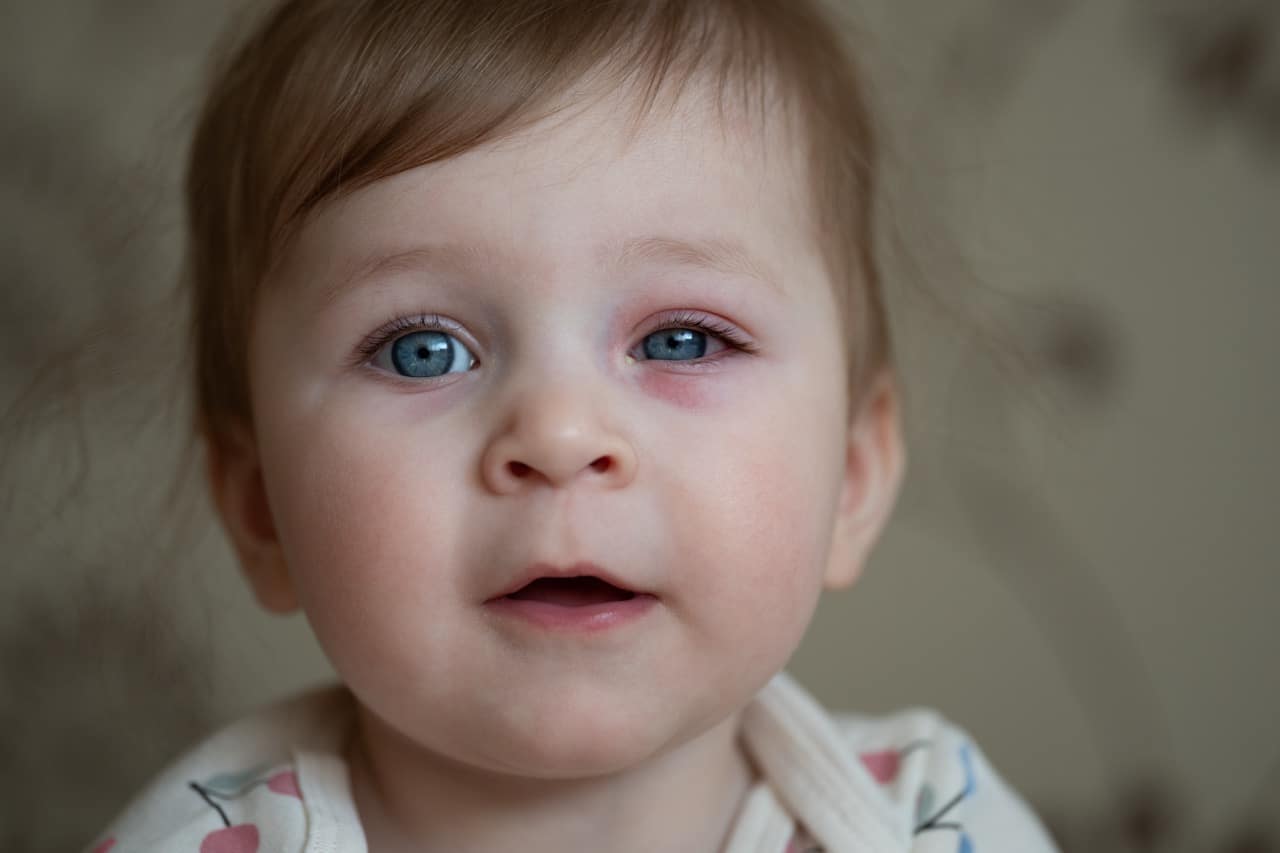
When your child wakes up with red, itchy eyes, determining whether it’s pink eye or allergies can be challenging for parents. Pink eye, also known as conjunctivitis, affects between three and six million people in the United States every year. Understanding pink eye symptoms helps families respond appropriately to these common eye conditions affecting children.
Pink eye usually affects one eye initially and might cause yellowish discharge that makes eyelids stick together in the morning. However, allergies typically impact both eyes simultaneously and come with sneezing or runny nose. Additionally, knowing key differences between viral, bacterial, and allergic conjunctivitis in kids guides proper treatment decisions. At All Kidz Urgent Care in Torrance, our pediatric specialists provide expert evaluation for children experiencing concerning eye symptoms requiring professional assessment.
Allergies vs Pink Eye in Toddlers: Key Differences Parents Should Know
Understanding pink eye vs allergies starts with recognizing why symptoms overlap between these distinct conditions affecting children’s eyes. Both cause redness, irritation, and inflammation in the conjunctiva, the thin membrane protecting eyes and eyelid interiors. Additionally, both conditions make eyes feel uncomfortable and may produce discharge requiring frequent cleaning throughout the day.
Certain signs suggest infection requiring antibiotics while other indicators point toward allergic reactions needing different treatment approaches. Infectious pink eye typically begins in one eye before potentially spreading to the other eye within days. Furthermore, pink eye vs allergies determination depends on discharge color, symptom onset pattern, and presence of other respiratory symptoms.
Allergic conjunctivitis in kids occurs as immune system reactions to environmental triggers rather than contagious infections. These allergic responses don’t spread between people and usually affect both eyes simultaneously from the start. Moreover, seasonal timing provides additional clues about whether eye problems stem from allergies in kids or infectious causes.
Symptom Comparison Chart: Pink Eye vs Allergies
Understanding specific symptom differences helps parents distinguish between pink eye and allergic reactions affecting children’s eyes:
| Symptom | Pink Eye | Allergies |
|---|---|---|
| Itching intensity | Mild itching with burning or irritation | Strong, constant itching |
| Color and type of discharge | Thick yellow or green discharge in bacterial cases; watery in viral cases | Clear, watery discharge |
| One eye vs both eyes | Often starts in one eye and may spread to the other | Usually affects both eyes at the same time |
| Seasonal patterns | Can happen any time of year, often linked to infection | Common in spring and fall or when exposed to allergens |
| Fever presence | Fever may occur, especially with bacterial Pink Eye | Allergies do not cause fever |
What Causes Each Condition? Understanding the Triggers
Different underlying causes produce similar eye symptoms requiring different treatment approaches for children. Viral pink eye results from the same viruses responsible for common colds and spreads easily through respiratory droplets. Additionally, bacterial conjunctivitis develops when bacteria like Staphylococcus aureus or Streptococcus pneumoniae infect the eye surface through contaminated hands or surfaces.
Understanding common causes of pink eye in toddlers helps parents implement effective prevention strategies to protect children. Touching eyes with unwashed hands transfers bacteria causing infections that require antibiotic treatment. Furthermore, sharing towels, pillowcases, or eye makeup spreads contagious pink eye between family members quickly.
Allergic triggers in kids include pollen, dust mites, pet dander, and mold spores causing immune system overreactions. These seasonal allergy triggers peak during specific times of year when pollen counts increase dramatically. At All Kidz Urgent Care, we treat viral and bacterial pink eye with appropriate medications while guiding families toward effective allergy management strategies.
Pink Eye vs Allergies Treatment: What Works and What Doesn’t
Pink Eye treatment depends on the cause. Viral cases usually improve with time, rest, and supportive care. Bacterial cases may need prescription drops from a pediatric provider. Allergy eye treatment focuses on reducing exposure to triggers and soothing irritated eyes. Pink Eye may improve with gentle cleaning and cool compresses. Allergies often respond to antihistamine drops or oral allergy medicine. Pediatric eye care also includes checking symptoms that change quickly. Home remedies for itchy eyes in kids help ease mild symptoms. A pediatrician Pink Eye care plan ensures safe and effective treatment with clear guidance for parents.
How to Treat Allergy Pink Eye at Home
Use a cool compress
Try pediatric safe antihistamine drops
Avoid rubbing the eyes
Keep windows closed during high pollen days
Wash hands often
Clean bedding and pillowcases
Use air purifiers
Limit outdoor play during high pollen counts
Signs It’s More Likely Pink Eye Than Allergies
Some symptoms help parents tell when the problem is more likely an infection instead of allergies. Pink Eye may show signs that develop fast and do not follow a seasonal pattern. Children with contagious Pink Eye often feel discomfort throughout the day. Bacterial or viral infection usually produces thicker eye discharge. Look for these warning signs before choosing treatment.
Signs to watch:
Yellow or green discharge
Eyelid swelling
Fever or cold symptoms
Crusted eyelashes
Symptoms spreading to siblings
Pain when blinking
One eye getting worse
Sensitivity to light
When to Visit Pediatric Urgent Care for an Eye Evaluation
Professional medical evaluation becomes necessary when pink eye symptoms persist or worsen despite home care attempts. Severe eye pain, vision changes, or light sensitivity warrant immediate assessment by pediatric urgent care providers. Additionally, infants younger than three months developing any eye discharge require urgent medical attention regardless of severity.
Visit All Kidz Urgent Care when symptoms last more than 48 hours without improvement or discharge becomes increasingly thick and colored. Our experienced pediatric team provides rapid evaluation for child eye infection urgent care needs with same-day appointments available. Furthermore, we offer pink eye doctor for kids consultations that include appropriate testing and treatment recommendations based on symptom patterns and examination findings.
Preventing Allergies and Pink Eye in Children
Prevention helps lower the risk of both allergies and Pink Eye. Children often touch their eyes without thinking, which spreads germs quickly. Good hygiene habits help protect them. Seasonal allergies are also easier to control with simple steps. Parents can reduce exposure to dust and pollen. Small changes at home create a safer environment. Use these tips to prevent both problems.
Tips:
Wash hands often
Remind kids not to rub their eyes
Wash pillowcases weekly
Keep pets out of bedrooms
Replace air filters regularly
Use saline eye rinses during allergy season
Final Check: Is It Pink Eye or Just Allergies?
Parents can use this simple checklist to determine whether their child’s eye symptoms likely indicate pink eye or allergic reactions. Consider symptom onset pattern, discharge characteristics, and accompanying respiratory symptoms when evaluating eye problems.
Ask yourself these key questions when assessing your child’s condition. Does discharge appear thick and yellow-green or thin and clear? Did symptoms start suddenly in one eye or gradually in both eyes simultaneously? Are other family members developing similar eye problems suggesting contagious infection? Additionally, do symptoms worsen during specific seasons or after exposure to particular environments?
When uncertainty exists about whether symptoms indicate infectious pink eye or allergies, professional evaluation provides definitive diagnosis and appropriate treatment guidance for your child’s specific situation.
Visit All Kidz Urgent Care for Quick Eye Evaluation and Treatment
All Kidz Urgent Care specializes in pediatric pink eye treatment and kid’s allergy care with experienced providers who understand childhood eye conditions. We offer same-day pediatric visit scheduling with flexible hours including evenings and weekends for family convenience. Our child-focused approach reduces anxiety during examinations while providing thorough evaluation and effective treatment recommendations.
Walk-ins are always welcome when children develop concerning pink eye symptoms requiring prompt professional assessment.
Visit us at: 2927 Rolling Hills Road, Torrance, CA 90505
Call us: +1 310-292-0054
Email: contactus@allkidzurgentcare.com