Flu B in Kids: How Long Symptoms Typically Last and When to Seek Care
When your child comes down with Flu B, the first question every exhausted parent asks is simple: how long will this last? Watching your little one suffer through high fevers, body aches, and that terrible cough feels endless. Moreover, you’re juggling work, worried about siblings catching it, and desperately hoping for the light at the end of the tunnel.
This blog covers everything California parents need to know about Flu B recovery timelines in children. We’ll walk through typical symptom duration, recovery stages, what’s normal versus concerning, and when professional care makes sense. Additionally, you’ll learn practical ways to support healing at home while your child recovers from this miserable virus.
How Long Does Flu B Last in Kids?
Most children recover from Flu B in 5 to 7 days after symptoms first appear. However, fatigue and lingering cough may persist for up to two weeks after other symptoms resolve. Furthermore, every child’s recovery timeline differs slightly based on age, immune strength, and overall health status before illness.
The acute phase when your child feels absolutely miserable typically lasts 3 to 4 days. Fever usually breaks by day 4 or 5, bringing welcome relief for worried parents. Nevertheless, that nagging cough and unusual tiredness often hang around longer, testing everyone’s patience during the recovery period.
Flu B Symptoms in Kids
Knowing what symptoms to expect helps parents face the difficult days ahead with greater confidence. In children, Flu B symptoms usually appear suddenly instead of developing slowly like a typical cold.
Here’s what most children experience with Flu B:
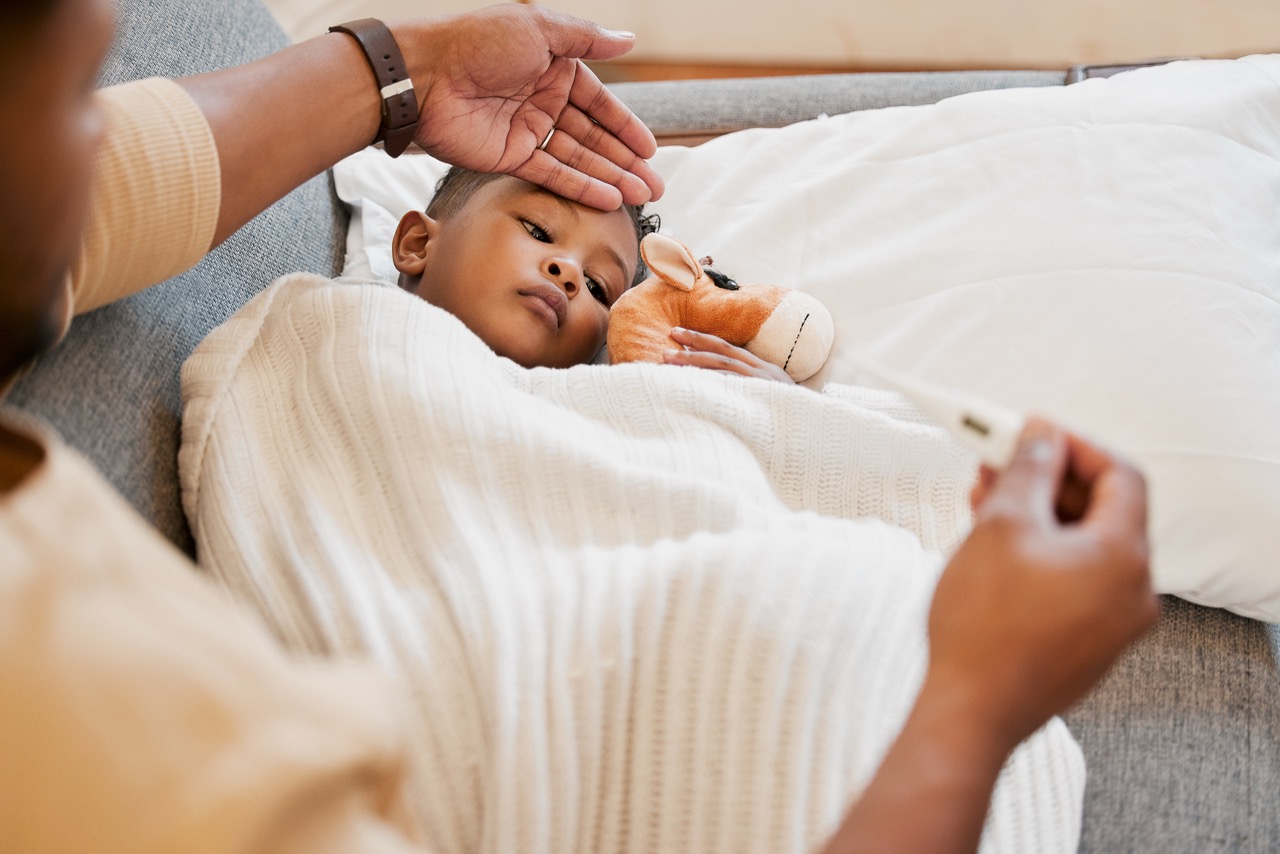
- Sudden fever – Your child’s temperature spikes quickly, often reaching 101-104 degrees Fahrenheit within hours. This dramatic temperature rise signals the immune system mounting a strong defense against the virus.
- Body aches – Even young children complain about hurting all over, touching their legs, arms, and back trying to explain the discomfort they feel everywhere.
- Headache – Intense head pain makes children irritable and unwilling to play or watch favorite shows. They might press hands against their foreheads seeking relief.
- Cough – Starting dry and annoying, the cough progressively worsens and often peaks around day 4 or 5 when other symptoms begin improving.
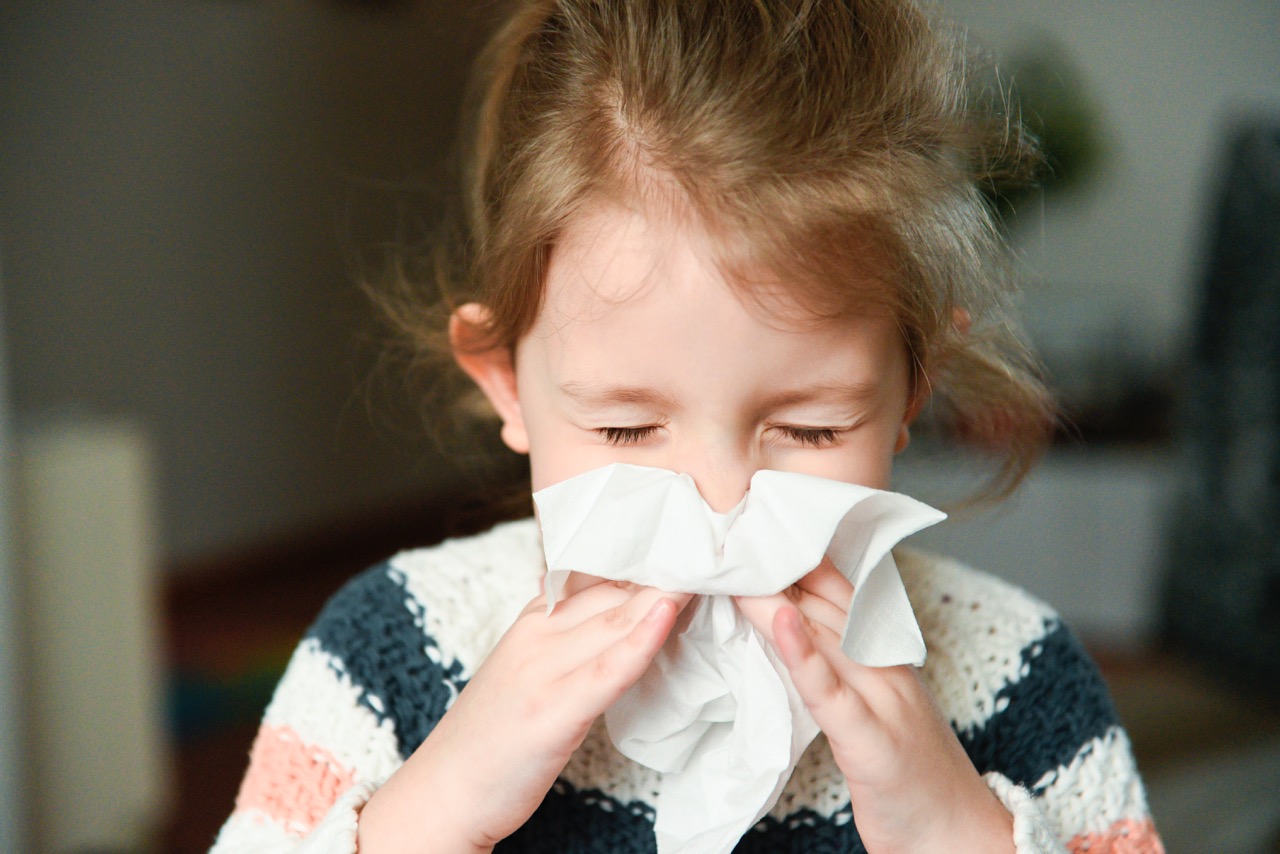
- Sore throat – Swallowing becomes painful, making even favorite foods unappealing to sick children who need nutrition most during illness.
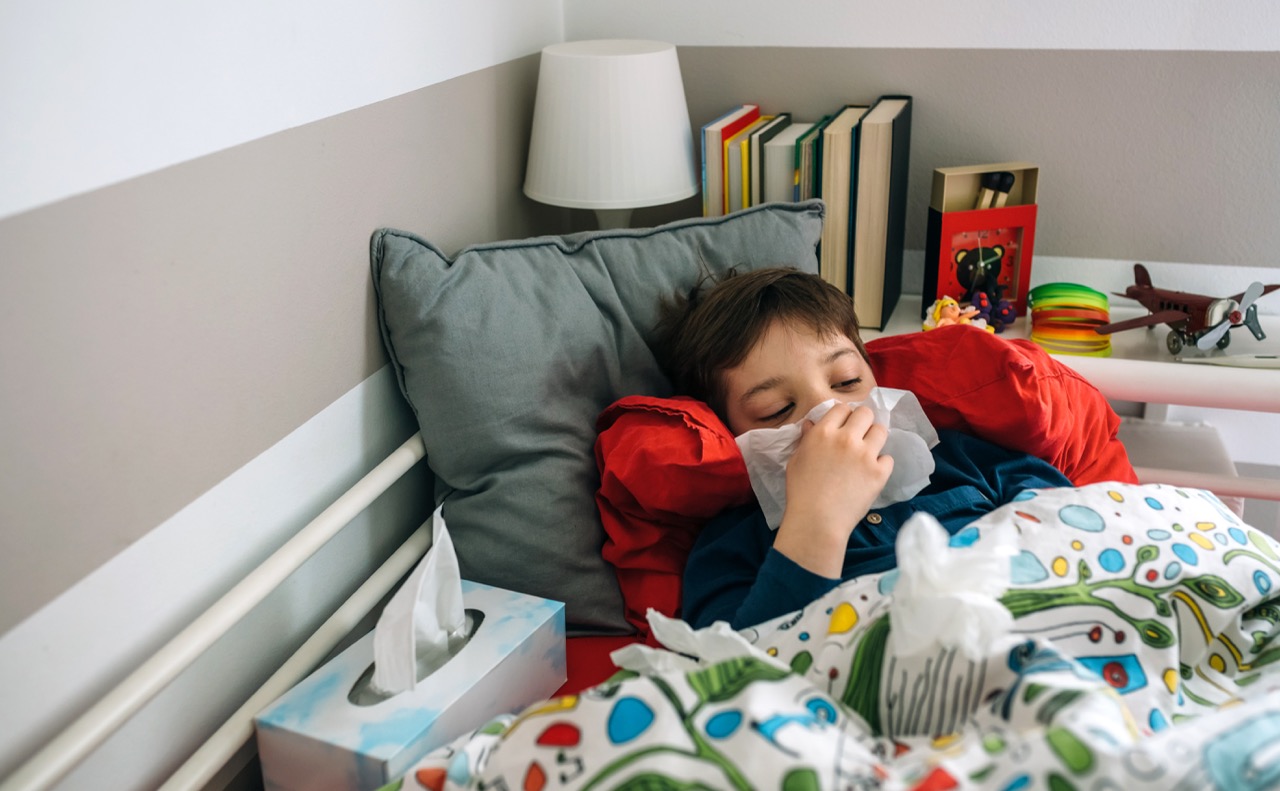
- Fatigue – Extreme tiredness keeps normally energetic kids in bed, lacking energy for anything beyond sleeping and resting quietly.
- Reduced appetite – Food holds no interest when children feel this miserable, worrying parents about adequate nutrition and hydration.
Symptom Progression Timeline: Days 1-3: Fever peaks, body aches intense, energy nonexistent Days 4-6: Fever breaks bringing relief, but fatigue continues significantly
Week 2: Lingering cough persists, tiredness gradually improves daily
Why Some Children Recover Faster Than Others
Age differences significantly affect recovery speed, with toddlers often taking longer than school-aged children to bounce back completely. Younger immune systems work harder fighting off viruses they’ve never encountered before. Additionally, preschoolers cannot rest effectively, wanting to play despite feeling unwell.
Immune system strength varies tremendously among children based on genetics, nutrition, sleep patterns, and previous illness exposure. Underlying health conditions like asthma complicate recovery by making respiratory symptoms more severe. Furthermore, adequate hydration and proper rest during illness dramatically impact how quickly children heal from Flu B infections.
How Long Is Flu B Contagious in Children?
Children with Flu B are most contagious during the first 3 to 4 days of illness when symptoms feel worst. However, kids can spread the virus to others starting 1 day before symptoms even appear, catching families off guard. Moreover, children may remain contagious for about 5 to 7 days total after symptoms begin.
Young children often stay contagious longer than adults, sometimes spreading virus for more than a week. This extended contagious period explains why Flu B races through schools and daycares so quickly. Additionally, children should stay home until fever-free for 24 hours without medication, protecting classmates from exposure and giving bodies time to recover properly.
When Should Parents Be Concerned About Flu B Symptoms?
Most Flu B cases resolve at home with rest and supportive care, but certain symptoms warrant professional medical evaluation. Knowing when normal becomes concerning helps parents make confident decisions about seeking care.
Watch for these warning signs requiring medical attention:
- Fever lasting more than 3-4 days – Temperatures persisting beyond this timeframe may indicate complications like bacterial infections requiring different treatment.
- Difficulty breathing – Fast, labored breathing, wheezing, or shortness of breath signals respiratory distress needing immediate professional assessment.
- Persistent vomiting – When children cannot keep fluids down, dehydration becomes dangerous quickly, especially in younger children with smaller fluid reserves.
- Signs of dehydration – Decreased urination, dry mouth, excessive sleepiness, dizziness, or lack of tears when crying indicate serious fluid deficits.
- Extreme fatigue – Unusual lethargy where children seem confused, difficult to wake, or unresponsive beyond typical flu tiredness warrants urgent evaluation.
- Symptoms that worsen instead of improve – Fever returning after breaking or breathing becoming harder after initial improvement suggests complications developing.
When to Visit Pediatric Urgent Care for Flu B
Persistent high fever beyond the typical 3-4 day window deserves professional evaluation determining whether complications require additional treatment. Ongoing cough with breathing discomfort including wheezing or rapid breathing indicates possible bronchitis or pneumonia complications. Moreover, dehydration concerns arise quickly when children refuse fluids or vomit repeatedly, creating dangerous situations.
When your child appears unusually lethargic, confused, or difficult to rouse despite fever-reducing medications, urgent care evaluation becomes necessary. Additionally, All Kidz Urgent Care in Torrance provides child-friendly environments where sick kids feel comfortable despite feeling miserable.
Our board-certified pediatrician Dr. Sara Dhillon leads a compassionate team understanding how flu impacts entire families. Furthermore, our mission includes reducing unnecessary ER visits by providing comprehensive urgent care when children need prompt but not emergency-level assessment. We offer convenient Torrance hours including evenings and weekends because Flu B doesn’t wait for Monday morning appointments.
How Parents Can Support Recovery at Home
Supporting your child’s healing requires patience, attention, and simple comfort measures that make a real difference during recovery.
- Encourage plenty of rest – Let children sleep as much as their bodies need, avoiding pushing normal activities before they’re truly ready.
- Offer fluids frequently – Small sips of water, electrolyte solutions, or clear broth help maintain hydration supporting immune function throughout illness.
- Monitor symptoms closely – Track fever patterns, energy levels, and breathing quality, noting whether conditions improve or worsen over time.
- Keep child home while contagious – Protect classmates and allow complete recovery by keeping sick children home until fever-free 24 hours without medication.
- Watch for warning signs – Stay alert for concerning symptoms requiring medical evaluation rather than continued home care alone.
Your Child Will Feel Better Soon
Most kids bounce back within a week from Flu B, returning to their energetic selves gradually. Lingering fatigue remains normal for 2-3 weeks after acute symptoms resolve completely. Nevertheless, monitor symptoms throughout recovery, trusting your parental instincts when something seems concerning.
Seek professional care when unsure about symptom severity or progression patterns. Furthermore, California families have trusted pediatric support available when flu complications arise. Your child’s recovery matters most, and timely professional guidance ensures healing happens safely.
When Flu B has your child down, compassionate pediatric care makes all the difference during difficult days ahead.
📍 Visit us at: 2927 Rolling Hills Road, Torrance, CA 90505
📞 Call us: +1 310-292-0054
📧 Email: contactus@allkidzurgentcare.com