California Measles Vaccine Requirements for Children
California parents received unsettling news recently when measles cases emerged in communities where families thought this disease was history. Schools sent urgent notifications, pediatricians fielded anxious calls, and families scrambled to locate yellowed immunization cards from baby books. Many parents wonder whether their children are protected and what vaccination requirements actually mean for school enrollment.
These questions often surface during kindergarten registration when immunization records suddenly become non-negotiable paperwork. This blog provides clear, California-specific information about measles vaccination requirements, schedules, and when concerning symptoms need medical attention.
If you’re concerned about keeping your child safe while navigating California’s school immunization rules, this guide is for you.
Is the Measles Vaccine Required for School in California?
California law requires two doses of the measles, mumps, and rubella (MMR) vaccine for school entry starting at transitional kindergarten or kindergarten. Both doses must be given on or after the child’s first birthday to count toward school requirements. Additionally, California requires all children enrolled in state schools, both public and private, to have certain immunizations on file.
California does not allow personal‑belief or religious exemptions for required school vaccinations. This means nearly all students attending California schools must complete the MMR vaccination series before enrollment, unless a valid medical exemption is granted.
California Measles Vaccination Age Guidelines for Children
California requires children to receive the MMR vaccine as part of school and childcare immunization requirements. The MMR vaccine protects against measles, mumps, and rubella. Following guidance from the Centers for Disease Control and Prevention, children typically receive the first dose at 12 months of age and a second dose between 4 and 6 years old, often before starting kindergarten.
These age guidelines are used by healthcare providers across the state to help protect children and reduce the spread of preventable illnesses in schools and communities. In California, proof of required immunizations is generally needed for enrollment in public and private schools, as well as licensed childcare programs, unless a medical exemption applies.
Parents should review official school immunization requirements and consult their child’s primary healthcare provider for personalized guidance about vaccination schedules and documentation.
The MMR Vaccine Explained for Parents
MMR stands for measles, mumps, and rubella. It is a combination vaccine designed to protect children from three contagious viral illnesses. Health authorities recommend two doses during childhood as part of the routine immunization schedule. After two doses, the measles component is about 97 percent effective at preventing infection.
The vaccine uses weakened forms of the viruses. These do not cause the diseases but help the immune system recognize and fight them in the future. Like most childhood vaccines, mild side effects such as soreness at the injection site or a low-grade fever can occur. Serious reactions are rare.
Vaccination plays an important role in preventing outbreaks, especially in schools and daycare settings where illnesses can spread quickly. Parents with questions about vaccine timing or requirements should speak with their child’s primary healthcare provider for guidance tailored to their needs.
School Attendance Without Measles Vaccine in California
Medical exemptions require documentation from healthcare providers when children cannot receive vaccines due to health conditions. These exemptions must be renewed periodically following state guidelines. California maintains strict immunization requirements with limited exemption options available only for medical necessity. Additionally, schools verify exemption documentation carefully before allowing attendance without complete immunizations.
Measles Exposure at School Response Protocols
When measles exposure occurs at school, public health departments investigate and notify families potentially affected by contact. Temporary exclusion policies keep unvaccinated or incompletely vaccinated students home until risk periods pass. Furthermore, schools coordinate with local health departments implementing appropriate containment measures protecting the broader community during exposure events.
Recognizing Measles Symptoms in Children
When a child develops a fever and rash, it is natural for parents to feel concerned. Measles symptoms in children can look similar to other common illnesses at first, which makes early recognition important. Knowing the typical pattern helps parents respond calmly and seek evaluation when needed.
Below are the most common measles symptoms parents may notice:
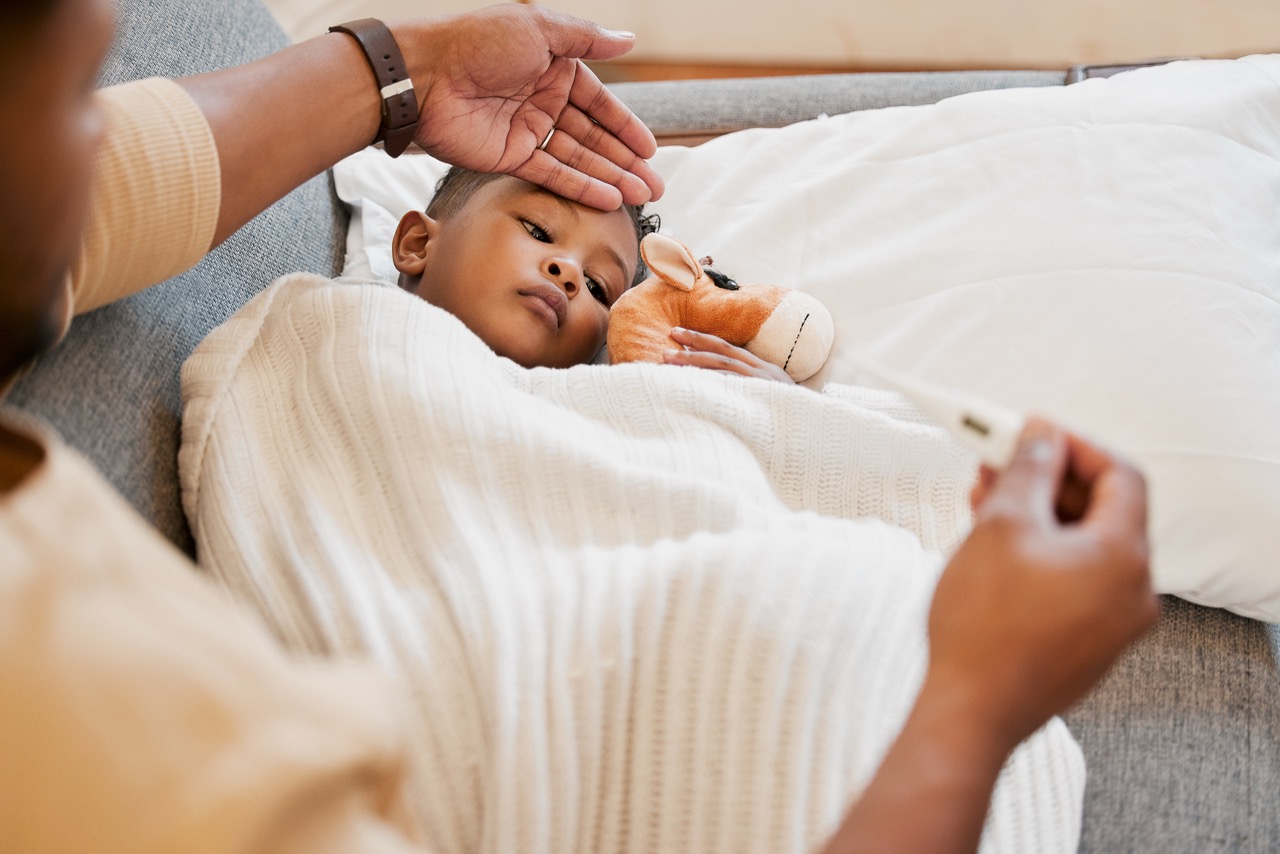
Fever
High fever often reaching 103 to 104 degrees, lasting several days before the measles rash appears.Cough
Persistent dry cough that continues throughout the illness and may worsen alongside other respiratory symptoms.Red Eyes
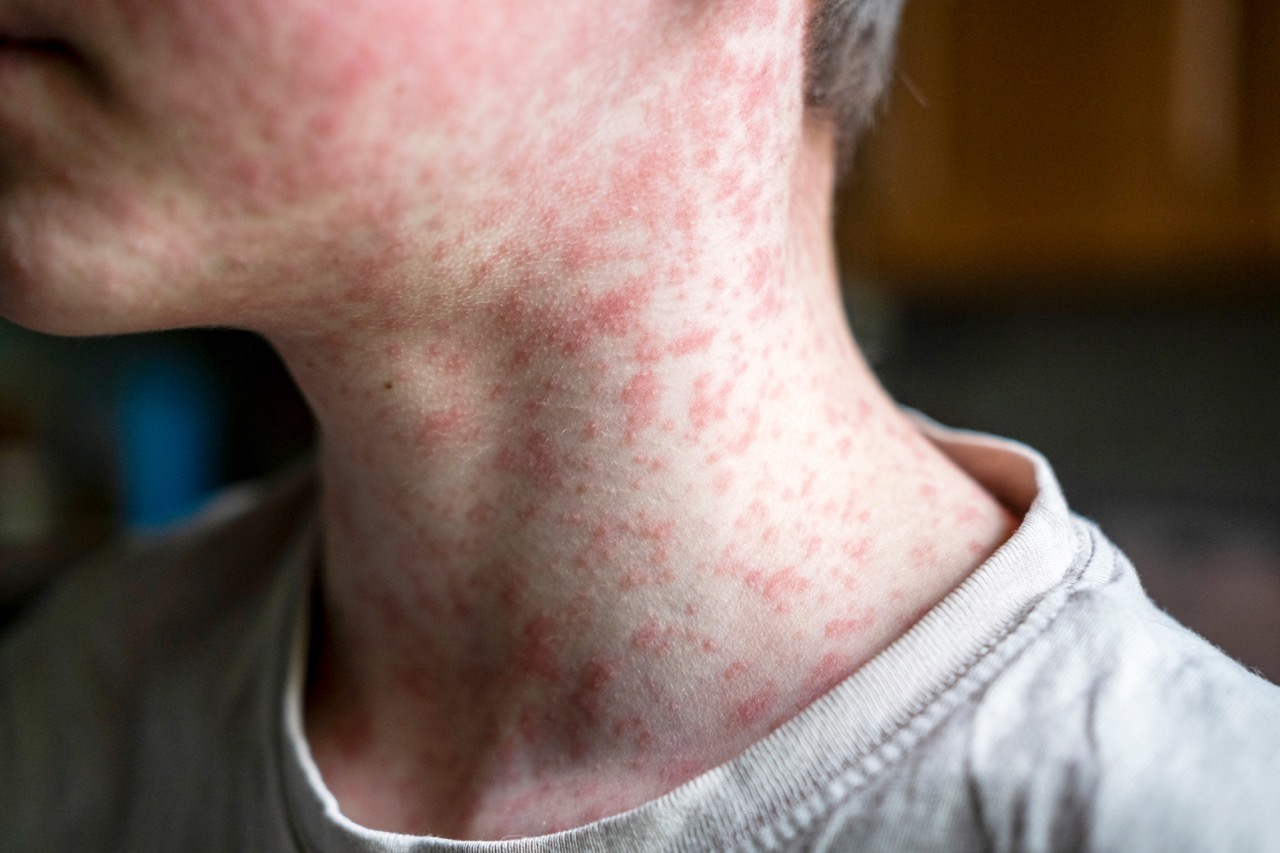
Watery, bloodshot eyes that feel irritated and sensitive to light due to inflammation and conjunctivitis.Rash
Flat red spots that usually begin on the face and gradually spread downward across the body.General Fatigue
Noticeable tiredness and weakness that keeps children resting more than during typical mild viral illnesses.
When to Seek Pediatric Urgent Care for Measles Symptoms
When your child is not feeling well, it can be hard to decide whether to wait it out or seek medical care. Measles symptoms may start like a common viral illness, but certain warning signs deserve closer attention. Acting promptly can help ensure your child receives appropriate evaluation and guidance in a calm, supportive setting.
Here are the symptoms parents should watch for:
Persistent Fever
Fever lasting several days or not improving with supportive care may require professional medical evaluation and closer monitoring.Rash with Other Symptoms
Red spots appearing with fever, cough, and red eyes may suggest measles and should be medically assessed.Child Appears Very Uncomfortable
Extreme irritability, unusual fatigue, or discomfort beyond typical illness behavior signals the need for medical review.Signs of Dehydration
Decreased urination, dry mouth, dizziness, or unusual sleepiness may indicate dehydration requiring prompt pediatric evaluation.
Expert Pediatric Evaluation When Your Child Needs Care
All Kidz Urgent Care in Torrance provides child-focused evaluation when families need professional assessment of concerning symptoms. Our board-certified pediatrician Dr. Sara Dhillon leads a compassionate team understanding how childhood illnesses affect entire families. We offer thorough evaluation and clear guidance helping parents understand their child’s condition.
Our mission includes reducing unnecessary ER visits by providing comprehensive urgent care for conditions requiring prompt but not emergency-level assessment. Visit us when your child develops symptoms requiring professional evaluation and you need trusted pediatric support.
📍 Visit us at: 2927 Rolling Hills Road, Torrance, CA 90505
📞 Call us: +1 310-292-0054
📧 Email: contactus@allkidzurgentcare.com