When a Child Fever at Night Becomes an Emergency
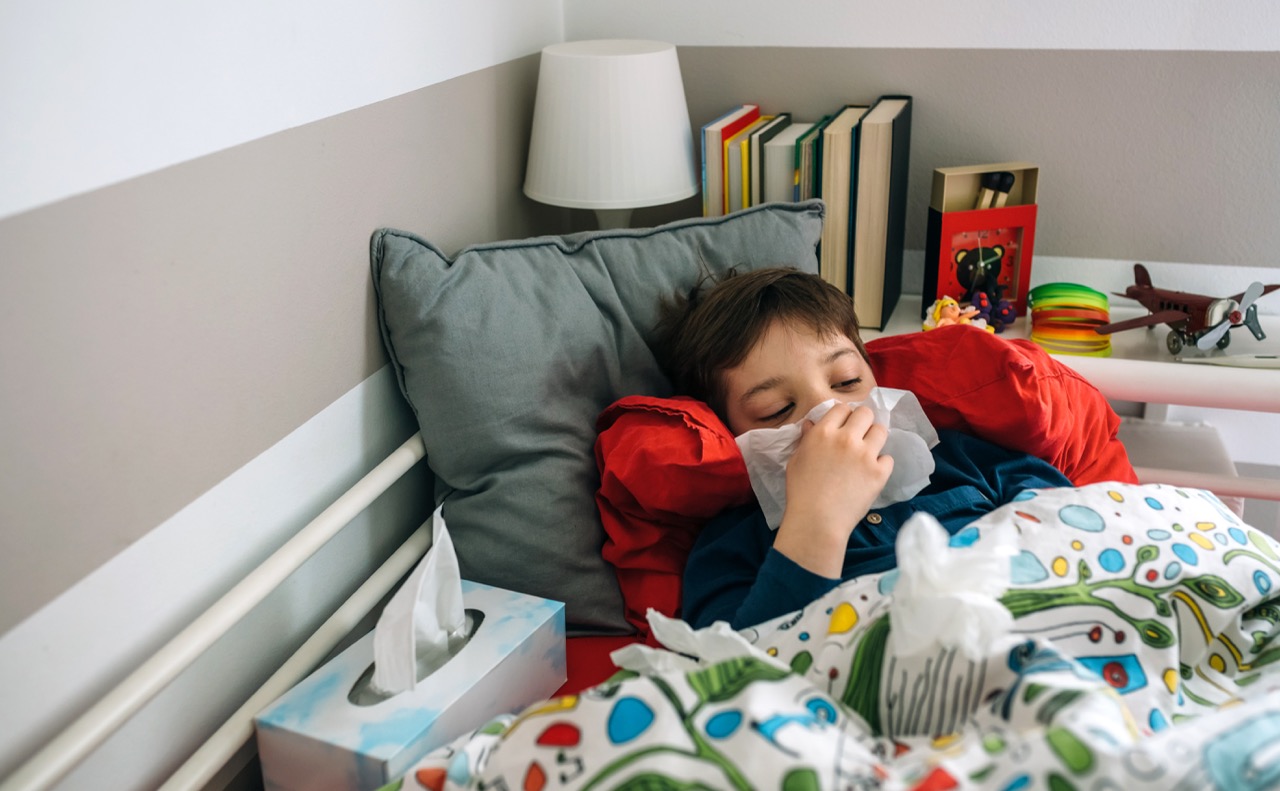
Nighttime fevers can feel alarming for parents, especially when symptoms appear suddenly after bedtime. A child fever at night often feels worse because the body’s temperature naturally rises during sleep. In addition, quiet hours make discomfort more noticeable, which increases worry. Parents may wonder whether the fever signals a normal immune response or a true emergency. Most fevers help the body fight infection, but some signs need quick medical care. Understanding the difference brings reassurance and clarity. That is where trusted guidance matters.
At All Kidz Urgent Care, our pediatric team helps families evaluate symptoms calmly and accurately. We focus on what is expected and what needs attention. A child fever at night deserves careful observation, not panic. With clear information, parents can respond confidently, protect their child’s comfort, and know when professional care is the right next step today.
Why Fevers Often Rise at Night in Children
Many parents notice a child fever at night feels stronger than during the day. This happens for a few natural reasons. First, the body follows a circadian rhythm that controls temperature. Body temperature normally rises in the evening, even in healthy children. When illness is present, this natural rise can make fever more noticeable.
At night, the immune system also becomes more active. It releases substances that help fight infection, but these can raise body temperature. As a result, fever may peak while your child is resting. Additionally, fewer distractions make symptoms stand out. During the day, play and activity can mask discomfort. At night, quiet surroundings make aches, chills, and fever feel worse.
In many cases, a child fever at night is part of a normal immune response. However, very high temperatures, breathing trouble, or unusual behavior need medical attention. Understanding this difference helps parents respond calmly and safely.
What Temperature Is Considered a Fever for Kids?
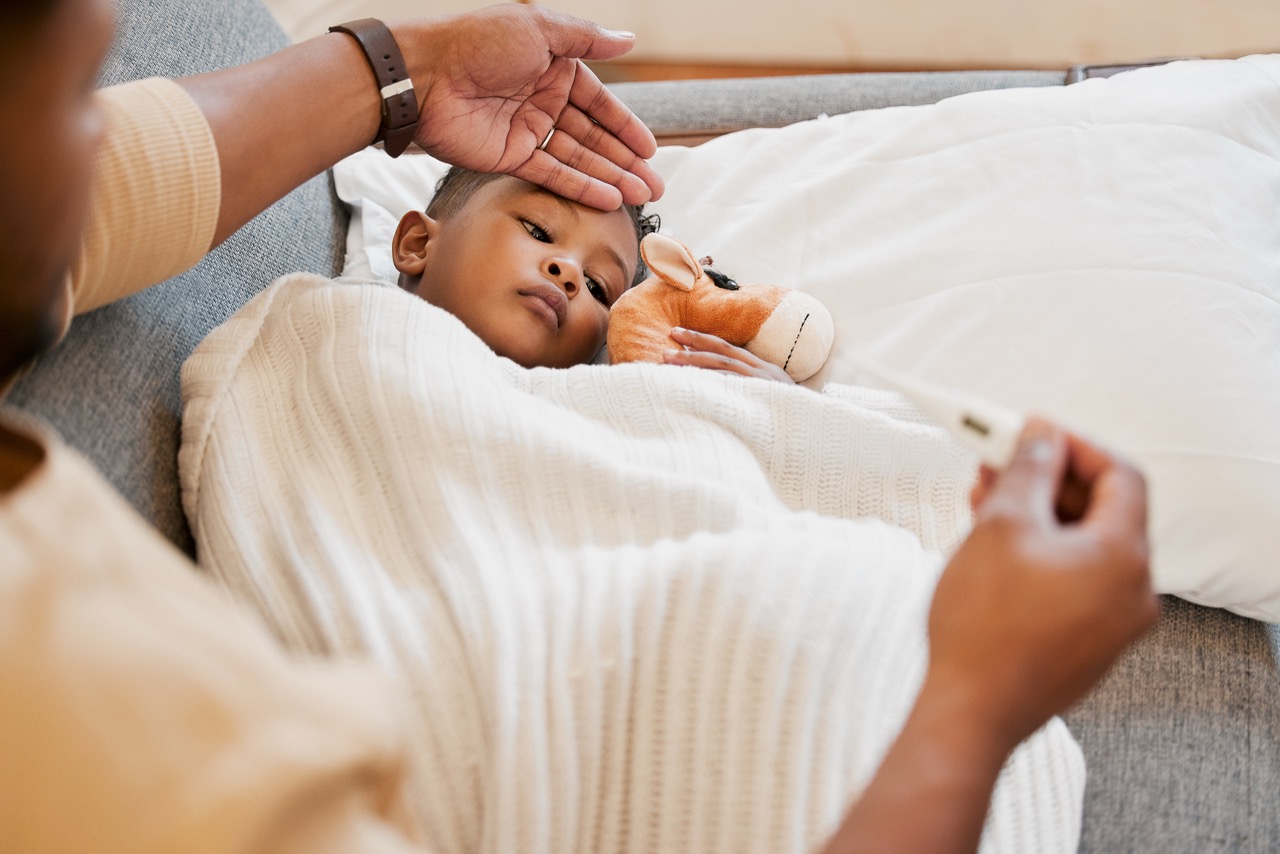
A fever means your child’s body temperature rises above normal. Normal temperature ranges from 97°F to 99°F. A fever usually starts at 100.4°F or higher. During a child fever at night, readings may seem higher due to natural body rhythms. The method you use matters. Rectal temperatures are the most accurate for infants. Oral readings work for older children who can cooperate. Ear and forehead thermometers are helpful but can vary. Age matters because young children face higher risks from fever. Doctors use age to decide when care is urgent.
Fever thresholds by age:
Infants under 3 months: 100.4°F or higher needs immediate care
Babies 3–12 months: 102°F or higher needs evaluation
Toddlers and older children: 102.5°F or higher needs monitoring
Common Causes of Child Fever at Night
A child fever at night often links to common childhood illnesses that become more noticeable after bedtime. Viral infections remain the leading cause and often include colds, RSV, or stomach viruses. These illnesses trigger immune responses that raise body temperature overnight. Ear infections also cause nighttime fevers, especially when lying down increases ear pressure and pain. Similarly, strep throat may cause fever that worsens at night, along with throat pain and difficulty swallowing.
In some cases, urinary tract infections lead to nighttime fever without clear respiratory symptoms, especially in younger children. Parents often wonder about teething, but teething alone does not cause high or persistent fever. Mild temperature changes may occur, yet true fever usually signals infection. Therefore, it helps to watch for other symptoms. Early recognition allows parents to decide when home care is enough or when medical evaluation becomes necessary.
Child Fever at Night vs Daytime Fever
Nighttime fevers often feel more intense because a child’s body changes during sleep. Body temperature naturally rises in the evening, which can make fever readings higher. Therefore, parents may notice symptoms more clearly after bedtime. A child fever at night can also disrupt sleep, leading to restlessness and increased discomfort. Poor sleep may worsen irritability and slow recovery.
Meanwhile, children often drink less overnight. This raises the risk of mild dehydration during a fever. Reduced fluid intake can make lips dry and urine output lower by morning. In addition, monitoring becomes harder at night. Dim lighting and sleeping children make symptom checks more challenging. Parents may miss early signs like faster breathing or chills.
However, daytime fevers are easier to observe. Children are awake, drinking fluids, and moving around. Caregivers can track changes more frequently. As a result, nighttime fevers require closer attention and clear plans for checking symptoms safely.
Warning Signs That Make a Night Fever an Emergency
A child fever at night can be part of the body fighting infection. However, some symptoms need urgent care. Parents should watch closely when a fever rises overnight. Certain warning signs may point to a serious illness. These symptoms suggest the body is under stress. Acting quickly helps prevent complications. Trust your instincts if your child seems very unwell. Nighttime changes can happen fast. If you notice the signs below, seek medical care right away.
Emergency warning signs include:
Fever over 104°F
Trouble breathing or fast breathing
Lethargy or unresponsiveness
Stiff neck
Seizures
Blue lips or skin
Persistent vomiting
Infant Fever at Night: Why It Needs Faster Care
A fever in an infant always needs careful attention, especially during nighttime hours. Babies under three months should receive medical evaluation for any fever. Their immune systems are still developing, so infections can progress quickly. Even a low-grade fever may signal a serious issue in very young infants.
At night, symptoms may seem worse because babies feed less and sleep patterns change. Parents may notice unusual fussiness, poor feeding, or reduced movement. These signs matter and should not be ignored. Home treatment is not enough for infants this young. Fever medicine may mask symptoms without treating the cause.
Unlike older children, infants cannot communicate discomfort or pain. This increases the risk of delayed care. If your baby has a child fever at night, prompt medical evaluation helps identify infections early. Quick care supports safer outcomes and gives parents peace of mind during stressful hours.
What Parents Can Do at Home for a Night Fever
When a child fever at night appears, simple care steps can help your child rest more comfortably. Stay calm and focus on easing discomfort rather than lowering the number alone. Most mild fevers improve with supportive care and close observation. Keeping your child comfortable also helps you notice changes faster. These steps are safe for most children and support the body’s natural healing process. Always follow medication instructions and trust your instincts if symptoms worsen.
Helpful at-home care tips include:
Dress your child in light, breathable clothing
Offer fluids often to prevent dehydration
Use fever medication only at the correct dose for age and weight
Keep the room cool and well ventilated
Avoid cold baths, which can increase discomfort
When to Visit Pediatric Urgent Care for a Night Fever
When a child fever at night persists, parents often feel unsure about the next step. Seek pediatric urgent care if a fever lasts longer than 48 hours. Ongoing fever can signal infection that needs evaluation. Visit promptly if fever comes with ear pain, sore throat, cough, or breathing changes. Rashes, stiff neck, or worsening pain also need attention.
Dehydration is another reason to seek care. Watch for dry lips, low urine output, or unusual sleepiness. Vomiting or diarrhea increases this risk overnight. Parental concern always matters. If something feels wrong, trust that instinct and seek help.
All Kidz Urgent Care offers same day visits for nighttime fever concerns. Our centers provide evening and weekend availability for busy families. Each visit includes a pediatric focused evaluation by experienced providers. We assess symptoms carefully and guide next steps. When child fever at night causes worry, timely care brings clarity and relief.
How All Kidz Urgent Care Evaluates Night Fevers
When a child arrives with a fever, our team begins with a calm and gentle pediatric exam. We focus on comfort first, so children feel safe during the visit. The provider carefully reviews symptoms and asks parents detailed questions about timing and changes. This step is important when evaluating a child fever at night, since symptoms can shift quickly after bedtime.
Next, we perform focused checks of the ears, throat, and lungs. Ear exams help identify infections that often cause nighttime discomfort. Throat checks look for redness or signs of strep. Lung exams help detect breathing concerns or respiratory infections early.
When needed, we use rapid testing to confirm common illnesses. This may include strep, flu, or viral testing based on symptoms. Finally, parents receive clear guidance before leaving. We explain findings, outline next steps, and share warning signs to watch for at home.
Final Checklist for Parents
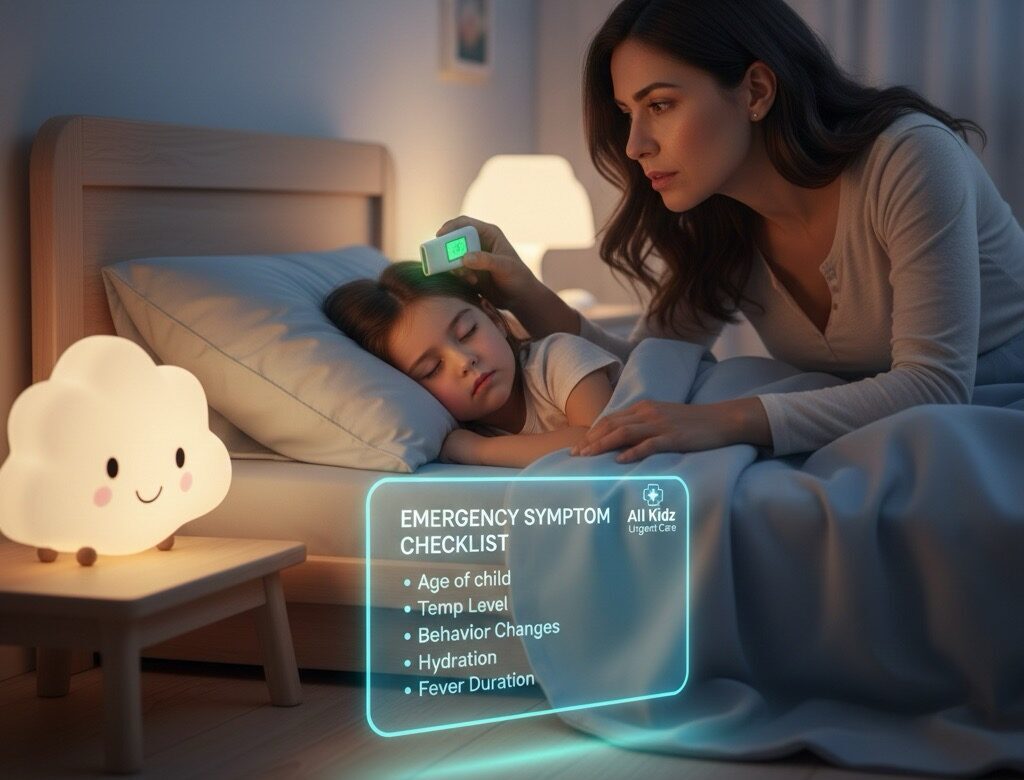
When your child has a fever overnight, a quick checklist can guide your next step. A child fever at night may feel stressful, but simple observations help clarify urgency. Start by checking your child’s age. Infants need faster medical attention than older children. Next, confirm the temperature using a reliable thermometer. Then observe behavior closely. Notice how alert, responsive, or uncomfortable your child seems. Also track fluid intake, since dehydration can worsen symptoms. Finally, note how long the fever lasts. Fevers that persist often need medical evaluation. Use this checklist to decide whether home care is enough or urgent care is the safer choice.
Parent Checklist
Age of your child
Temperature level
Behavior changes
Hydration and urine output
Duration of fever
Visit All Kidz Urgent Care for Nighttime Fever Concerns
When a child fever at night causes worry, timely care makes a difference. At All Kidz Urgent Care, walk-ins are always welcome. Our team provides same-day pediatric care with evening availability for busy families. We listen carefully and examine your child gently. Then we explain next steps clearly, without unnecessary alarm. If you need reassurance or treatment, we are here to help.
Visit us at: 2927 Rolling Hills Road, Torrance, CA 90505
Call us: +1 310-292-0054
Email: contactus@allkidzurgentcare.com