
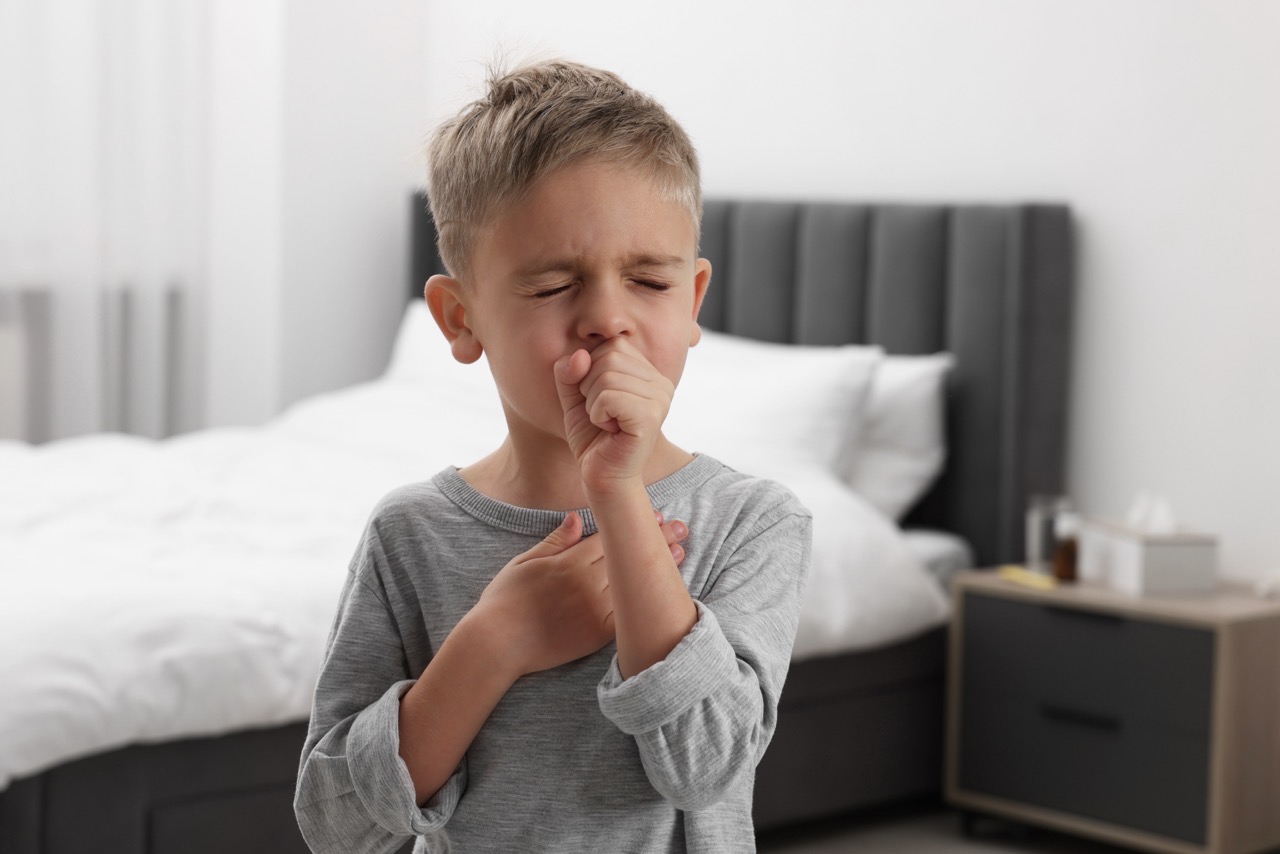
Can Bronchitis Be Mistaken for Asthma in Children?
Your child has been coughing for weeks. The doctor mentioned bronchitis. But something feels off because the cough keeps coming back. This scenario plays out more often than most parents realize. Bronchitis and asthma in children share several overlapping symptoms, and one is frequently mistaken for the other. The consequences of a missed diagnosis matter because asthma requires ongoing management while bronchitis is typically treated as a short-term illness.
This blog breaks down the key differences, the warning signs parents should know, and when it is time to seek a proper pediatric evaluation.
What Is Bronchitis in Children?
Bronchitis is an inflammation of the bronchial tubes, the airways that carry air into the lungs. In children, bronchitis is most often triggered by a viral infection. It usually develops after a cold or upper respiratory illness and causes a persistent wet cough, mild fever, and chest discomfort.
Most cases of acute bronchitis in children clear up within two to three weeks. The problem is that recurrent bronchitis, meaning episodes that keep coming back, can look almost identical to undiagnosed asthma.
What Is Asthma in Children?
Asthma is a chronic condition that causes the airways to become inflamed, narrowed, and sensitive to specific triggers. Unlike bronchitis, asthma does not go away between episodes. It requires an ongoing management plan to keep symptoms under control and prevent flare-ups. Asthma in children can be triggered by cold air, exercise, allergens, smoke, viral infections, and even emotional stress. The cough associated with asthma is often dry, frequent, and worse at night or during physical activity. This pattern is different from the wet, productive cough more typical of bronchitis.
Where the Confusion Comes From
Coughing, wheezing, and breathing difficulty can appear in both conditions. A viral infection may trigger either one. Rest can also bring temporary improvement in both cases. This overlap is exactly why bronchitis is sometimes diagnosed in children who actually have asthma. Recurrent bronchitis is one of the most commonly missed presentations of childhood asthma.
When a child has three or more episodes of bronchitis-like symptoms in a year, asthma becomes a very real possibility that deserves investigation. Understanding why asthma is difficult to identify in children helps parents push for the right evaluation rather than accepting repeated bronchitis diagnoses without further assessment.
Key Differences Between Bronchitis and Asthma
| Feature | Bronchitis | Asthma |
|---|---|---|
| Duration | Short-term, usually 2 to 3 weeks | Chronic, ongoing condition |
| Cough type | Wet, productive | Dry, persistent, often worse at night |
| Fever | Common | Rare unless triggered by infection |
| Wheezing | Sometimes | Frequent during episodes |
| Triggers | Viral infections | Multiple triggers including allergens and exercise |
| Recurrence | Occasional | Frequent episodes without treatment |
| Response to bronchodilators | Limited | Often significant improvement |
Signs That Point Toward Asthma Rather Than Bronchitis
Certain patterns and symptoms make asthma the more likely explanation. Parents should note the following:
- Cough that worsens at night or early morning. This is a hallmark feature of asthma that does not fit typical bronchitis behavior.
- Coughing or wheezing during exercise. Exercise-induced symptoms are strongly associated with asthma in children.
- Symptoms triggered by specific exposures. If your child’s cough flares around pets, pollen, or cold air, that pattern suggests asthma.
- Three or more respiratory episodes per year. Recurrent episodes that look like bronchitis but keep returning are a significant red flag.
- Family history of asthma or allergies. Children with a parent or sibling who has asthma carry a higher risk.
- Improvement with asthma medication. If a child responds clearly to a bronchodilator inhaler, that response strongly supports an asthma diagnosis.
If several of these signs are present, a proper asthma evaluation is the right next step. All Kidz Urgent Care is now accepting asthma patients and can help families get the clarity they need.
Why Missed Asthma Diagnoses Happen
Several factors contribute to asthma being overlooked in children. Young children cannot describe their symptoms clearly. They may say their chest feels tight or their tummy hurts instead of reporting breathing difficulty. Symptoms between episodes can disappear completely. This makes it easy for parents and providers to assume the child has fully recovered.
Viral infections frequently trigger asthma episodes in children. Because the episode follows a cold, the respiratory symptoms are attributed entirely to the infection rather than an underlying airway condition. A refresher on childhood asthma explains how the condition behaves differently in younger children and why parents and providers sometimes miss it during routine evaluations.
What Happens When Asthma Goes Undiagnosed
A child whose asthma is repeatedly treated as bronchitis does not receive the medications or management plan they actually need. Without proper treatment, airway inflammation continues between episodes. Symptoms worsen over time. School attendance, sleep quality, and physical activity all suffer.
In some cases, an undiagnosed asthma episode can escalate into a serious breathing emergency. Early identification and a proper management plan make a significant difference in long-term outcomes for children with asthma. Managing medications correctly is an important part of that process and requires guidance from a pediatric provider who understands the full picture.
When to Seek Evaluation
Parents should seek a pediatric evaluation when:
- A child has had two or more episodes of bronchitis-like symptoms in a single year
- Coughing persists for more than three weeks after a respiratory illness
- Breathing difficulty, wheezing, or chest tightness appears during exercise or play
- Nighttime coughing disrupts your child’s sleep on a repeated basis
- Symptoms improve with a rescue inhaler but return when it is stopped
- The child seems to recover between episodes but never quite returns to full energy
Do not wait for symptoms to become severe before seeking an assessment. Regular check-ups play a central role in managing pediatric asthma and catching recurrent patterns before they worsen.
How a Pediatric Provider Evaluates the Difference
Distinguishing bronchitis from asthma requires more than a quick listen with a stethoscope. A provider will review the full symptom history, including how often episodes occur, what triggers them, and how long they last. They will also assess breathing patterns, oxygen levels, and any family history of allergic or respiratory conditions.
In some cases, a trial of asthma medication is used to see whether symptoms respond. A clear improvement with bronchodilator treatment is itself a diagnostic signal. Spirometry or breathing tests may be used in older children who are able to follow the instructions. For younger children, clinical observation and symptom history carry more weight in reaching a diagnosis.
How All Kidz Urgent Care Helps
At All Kidz Urgent Care in Torrance, our pediatric team evaluates children with persistent coughs, recurrent respiratory episodes, and breathing concerns with focused attention. Dr. Sara Dhillon and our experienced team understand how easy it is for asthma to hide behind repeated bronchitis diagnoses.
We take a thorough approach to symptom evaluation and provide clear guidance for families navigating recurring respiratory illness in children. We offer same-day walk-in appointments with convenient hours that work for busy South Bay families, including after-school weekday access and full weekend availability.
What Parents Should Take Away
Bronchitis and asthma are not the same condition, but they can look remarkably similar in children, especially in the early stages and during viral illnesses. If your child’s respiratory episodes keep coming back, a deeper evaluation is worth pursuing. Recurrent bronchitis in children is one of the most important patterns to watch because it may be the first visible sign of asthma that has not yet been identified.
The earlier asthma is recognized and managed, the better your child’s quality of life becomes.
Visit us at: 2927 Rolling Hills Road, Torrance, CA 90505
Call us: +1 310-292-0054
Email: contactus@allkidzurgentcare.com