Child Wheezing Without Asthma: Causes Parents Should Know
Hearing your child wheeze can worry parents who immediately think about asthma as the cause. Wheezing produces a high-pitched whistling sound that occurs when air flows through narrowed breathing passages. Parents often notice child wheezing suddenly during colds, after playing outdoors, or at night while children sleep.
Understanding the difference between child wheezing and coughing helps families respond appropriately to respiratory symptoms. Coughing is a forceful expulsion of air from the lungs while wheezing creates a musical sound during breathing. Additionally, wheezing typically occurs during exhalation though it can happen during inhalation in severe cases.
Many conditions besides asthma cause child wheezing in young patients requiring different treatment approaches. Viral infections, allergies, and small airways all contribute to breathing difficulties in children. Furthermore, professional evaluation helps determine the underlying cause and appropriate treatment plan. All Kidz Urgent Care in Torrance evaluates breathing concerns promptly when children develop concerning respiratory symptoms.
Can a Child Wheeze Without Asthma?
Yes, child wheezing occurs from many different causes beyond asthma diagnosis in young patients. Among infants, 20% experience wheezing with upper respiratory tract infections, but 60% will outgrow it by age 6. Asthma represents a common cause but certainly not the only reason children develop breathing difficulties producing characteristic whistling sounds.
Many parents assume any child wheezing must indicate asthma requiring lifelong management and daily medications. However, most childhood wheezing episodes result from temporary conditions resolving as children grow and their airways mature. Additionally, viral infections cause the majority of wheezing episodes in children under three years of age.
Professional evaluation becomes important instead of making assumptions about what causes child wheezing in your particular situation. Healthcare providers consider symptom patterns, family history, and physical examination findings when determining whether asthma or other conditions cause breathing difficulties. Furthermore, accurate diagnosis ensures children receive appropriate treatment rather than unnecessary long-term asthma medications.
Common Causes of Wheezing Without Asthma
Child wheezing develops from numerous causes affecting respiratory passages in young children with developing immune systems. Understanding these various triggers helps families identify patterns and implement appropriate management strategies. Additionally, recognizing non-asthmatic causes prevents unnecessary alarm when children develop temporary breathing difficulties.
Viral Infections and Wheezing
Respiratory viruses represent the most common cause of child wheezing in children under six years old. Respiratory syncytial virus (RSV) causes significant airway inflammation leading to wheezing sounds particularly in infants and young toddlers. Bronchiolitis, inflammation of small airways typically caused by RSV, produces severe wheezing requiring close monitoring and sometimes hospitalization.
Common cold viruses also trigger viral wheezing in kids through temporary airway narrowing and increased mucus production. These infections cause swelling in breathing passages that creates whistling sounds as air passes through narrowed spaces. Additionally, RSV wheezing symptoms often appear more severe than typical cold symptoms with faster breathing and increased respiratory effort.
Allergies and Environmental Triggers
Environmental substances cause child wheezing through allergic reactions producing airway inflammation similar to asthma symptoms. Pollen from trees, grass, and weeds triggers seasonal wheezing episodes during spring and fall months. Dust mites living in bedding and carpets produce year-round allergic reactions affecting breathing in sensitive children.
Smoke exposure, whether from cigarettes or wood-burning fireplaces, irritates airways directly causing wheezing without allergic mechanisms. These irritants damage delicate airway tissues making breathing more difficult especially in young children with developing lungs.
Small Airways in Young Children
Child wheezing occurs more frequently in toddlers and infants because their airways are significantly smaller than older children and adults. Even minor swelling from infections or allergies narrows these tiny passages creating audible wheezing sounds. Additionally, young children produce more mucus relative to airway size which further blocks airflow.
Their airways are so small that even small amounts of swelling of the lining of the airways caused by viral infections, tightened airways, or increased amounts of mucus can block the flow of air. As children grow and airways enlarge, many outgrow wheezing tendencies without developing chronic asthma.
Wheezing in Babies and Toddlers
Child wheezing appears more commonly in children under three years of age due to their developing respiratory systems and frequent infections. Immature lungs have less elasticity and smaller airways making them more susceptible to narrowing from inflammation or mucus buildup. Additionally, young immune systems encounter many viruses for the first time, triggering strong inflammatory responses.
Frequent infections occur during early childhood as immune systems learn to recognize and fight common respiratory viruses. Children may experience six to eight colds annually during their first years of life, each potentially causing wheezing episodes. Furthermore, daycare exposure increases infection rates as children share germs in close contact environments.
Most children with recurrent child wheezing during toddler years do not develop chronic asthma later in life. About two-thirds of children who wheeze when they have a cold do not have wheezing after age six. These children likely never had asthma but rather temporary airway narrowing from viral infections affecting their small developing airways.
Wheezing vs Asthma in Children
| Factor | Occasional Wheezing | Asthma |
|---|---|---|
| Symptom Pattern | Occurs only with illnesses | Happens between illnesses too |
| Frequency | Isolated episodes, infrequent | Recurrent symptoms multiple times yearly |
| Exercise Response | Usually no exercise symptoms | Wheezing triggered by physical activity |
| Nighttime Symptoms | Rare unless currently sick | Frequent night coughing or wheezing |
| Family History | Often no asthma relatives | Parents or siblings with asthma common |
| Allergy Connection | May have no allergies | Often has eczema, allergies, or hay fever |
| Response to Treatment | Improves with time, no daily meds needed | Requires controller medications for prevention |
Warning Signs That Need Medical Care
Recognizing when child wheezing requires immediate medical attention helps families respond appropriately to worsening respiratory symptoms. While mild wheezing during colds may not need emergency care, certain signs indicate serious breathing difficulties. Additionally, young infants showing any wheezing warrant prompt professional evaluation regardless of severity.
Watch for these concerning signs requiring immediate medical assessment:
- Fast breathing exceeding normal rates for child’s age indicating respiratory distress
- Chest retractions where skin pulls inward between ribs or above collarbones during breathing efforts
- Blue lips or fingernails signaling insufficient oxygen reaching bloodstream
- Trouble speaking or feeding because breathing difficulties prevent normal activities
- Wheezing not improving despite home treatment attempts or rescue medications
When to Visit Pediatric Urgent Care
Professional evaluation becomes necessary when child wheezing persists beyond mild symptoms or causes concerning breathing difficulties. Same-day evaluation provides prompt assessment determining whether symptoms require medical intervention or safe home monitoring. Additionally, oxygen checks measure blood oxygen levels ensuring children receive adequate oxygen despite breathing difficulties.
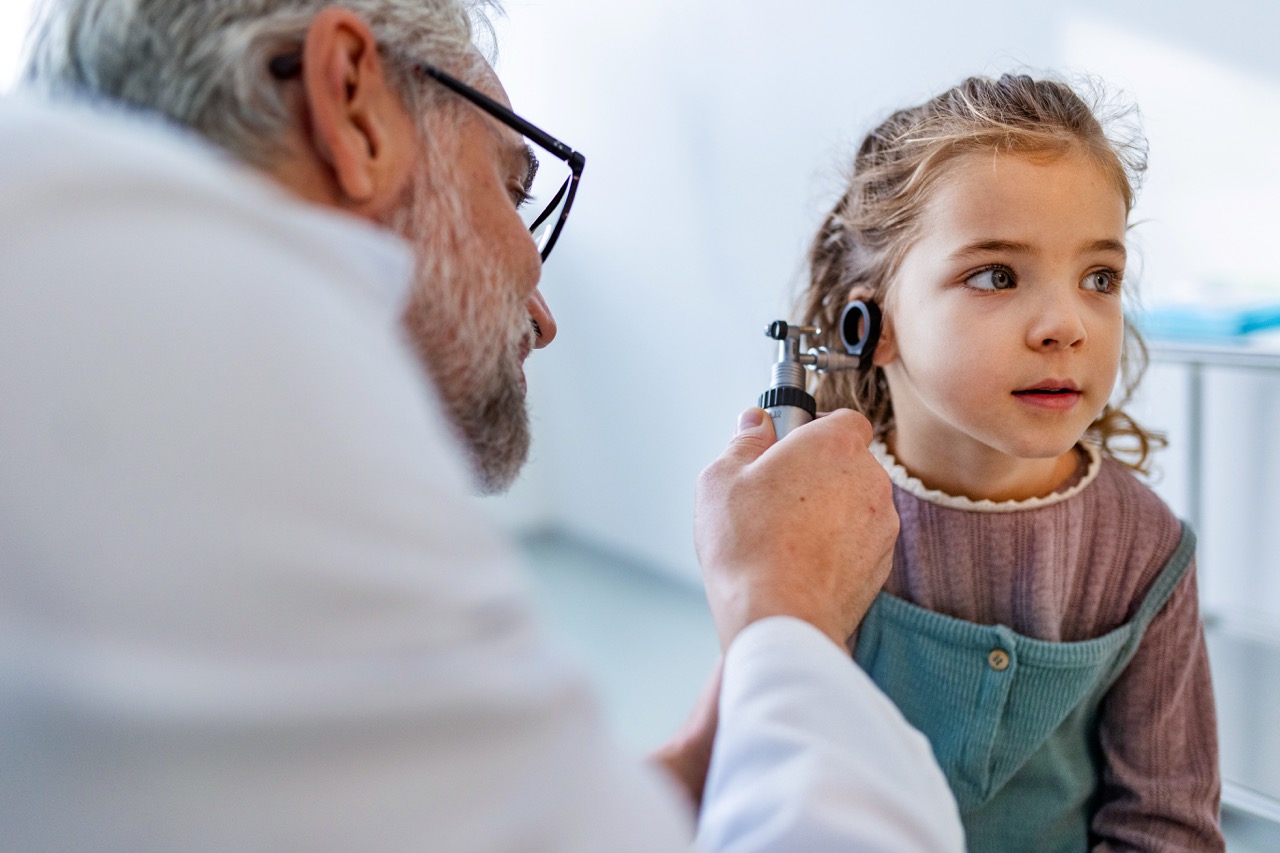
Comprehensive lung examinations involve listening for wheezing patterns, abnormal breath sounds, and assessing respiratory effort carefully. RSV and viral testing helps identify specific infections guiding appropriate treatment decisions and isolation precautions. Furthermore, healthcare providers evaluate hydration status and overall appearance determining whether hospitalization becomes necessary.
All Kidz Urgent Care provides walk-in pediatric breathing care when families need expert evaluation without waiting for regular office appointments. Our experienced team understands child wheezing patterns and provides appropriate testing and treatment recommendations for various respiratory conditions.
How Doctors Diagnose Wheezing Causes
Healthcare providers diagnose causes of child wheezing through careful physical examination and symptom history evaluation. Listening to lungs with a stethoscope reveals wheezing locations, severity, and associated sounds like crackles suggesting infection. Additionally, providers note respiratory rate, oxygen saturation levels, and signs of increased breathing effort.
Pulse oximetry measures blood oxygen levels quickly using a small device placed on fingers or toes. Viral testing through nasal swabs identifies specific infections like RSV or influenza guiding treatment approaches. Furthermore, detailed medical history including symptom patterns, trigger identification, and family asthma history helps distinguish between various causes.
Previous episodes of child wheezing, responses to treatments, and associated symptoms like fever or runny nose provide important diagnostic clues. Most diagnoses rely on clinical evaluation rather than extensive testing, though chest X-rays may be needed for severe or unusual cases.
Treatment Options for Wheezing Without Asthma
Most child wheezing from viral infections resolves with supportive care focused on comfort and hydration. Inhaled medications like albuterol may be prescribed when needed to open airways temporarily during acute wheezing episodes. Additionally, careful monitoring ensures symptoms improve rather than worsen requiring escalation of care.
Antibiotics do not treat child wheezing from viral infections unless secondary bacterial infections develop. About two-thirds of children who wheeze when they have a cold do not have wheezing after age six, meaning many cases resolve naturally. Furthermore, avoiding unnecessary medications reduces side effects while allowing immune systems to develop normally.
Effective supportive care measures include:
- Humidifier use adding moisture to air helping thin secretions and ease breathing
- Adequate fluids maintaining hydration supporting immune function and mucus clearance
- Nasal suction removing mucus from small noses improving breathing comfort in infants
Will Wheezing Turn Into Asthma?
Most children who experience child wheezing during early years do not develop chronic asthma later in life. Most children who wheeze before age 6 will likely have their symptoms resolved as airways mature and immune systems strengthen. Additionally, children who wheeze only with viral infections and have no family history of allergies typically outgrow symptoms completely.
However, certain risk factors increase likelihood of developing persistent asthma from early wheezing episodes. Children with atopy (tendency toward allergies), family history of asthma, and persistent symptoms at a young age face higher risks. Furthermore, children with eczema, food allergies, or environmental allergies more commonly progress to asthma diagnosis.
Importance of follow-up care with healthcare providers ensures proper monitoring as children grow and symptoms evolve. Regular evaluations help identify children needing asthma medications versus those outgrowing temporary child wheezing from infections. Additionally, early intervention when asthma develops improves long-term outcomes and prevents complications.
Final Checklist for Parents
When your child develops wheezing, using this simple checklist helps determine whether immediate medical attention becomes necessary. Answering these key questions guides appropriate responses to child wheezing episodes at home. Additionally, trusting parental instincts remains important when something seems concerning despite mild symptoms.
Consider these important factors:
- Is this the first episode of wheezing your child has experienced requiring baseline evaluation
- Is there fever present suggesting possible infection needing medical assessment
- Is breathing fast or labored indicating respiratory distress beyond simple wheezing
- Is wheezing improving with time or worsening despite home comfort measures
- Is child drinking fluids adequately maintaining hydration during illness
Visit All Kidz Urgent Care for Breathing Concerns
When child wheezing causes concern, All Kidz Urgent Care provides expert same-day evaluation by experienced pediatric providers. Our child-friendly environment reduces anxiety during respiratory assessments with gentle examination techniques. Walk-ins are always welcome when breathing symptoms develop unexpectedly requiring prompt professional evaluation.
We offer convenient evening and weekend hours for families needing urgent care outside regular office times.
Visit us at: 2927 Rolling Hills Road, Torrance, CA 90505
Call us: +1 310-292-0054
Email: contactus@allkidzurgentcare.com